


How to Choose the Best Car Battery for Your Vehicle
Most of us only think about our vehicle’s power source when the engine fails to turn over. Finding yourself stranded in a parking lot is a stressful experience that often happens at the worst possible moment.
By shifting our focus toward proactive maintenance, we can avoid these roadside emergencies entirely. Understanding how to select the best car battery ensures your machine remains reliable throughout the changing seasons.
Taking charge of your vehicle’s health allows you to maximize the service life of your components. We believe that investing time in research today prevents costly headaches tomorrow. Let us guide you through the essential factors required to find the perfect car battery for your specific driving needs.
Key Takeaways
- Prioritize routine inspections to avoid unexpected power failures.
- Understand your vehicle’s specific energy requirements before purchasing.
- Consider climate conditions when selecting a new power unit.
- Look for reputable brands that offer strong warranty coverage.
- Replace your aging unit before it leaves you stranded.
Understanding Car Batteries
A car battery is the heart of your car’s electrical system. It gives the energy needed to start the engine. Without it, your car won’t move and can’t power basic electronics.
Car batteries are quite heavy, weighing 25 to 60 pounds. They come in different sizes and capacities. Knowing how they work is important for every driver, whether you need euro car parts or standard ones.
What Is a Car Battery?
A car battery is an electrochemical device that stores energy. It turns this energy into electricity when you start the car. The alternator then takes over to keep the car running and recharge the battery.
This component also keeps your car’s electrical system stable. It powers your lights, radio, and climate control. Reliability is key because a bad battery can leave you stranded.
Types of Car Batteries
Today, there are many types of car batteries. The most common is the flooded lead-acid battery. It’s affordable and reliable but needs regular maintenance.
For better performance, Absorbent Glass Mat (AGM) batteries are a good choice. They handle vibrations well and recharge quickly. Lithium-ion batteries are also popular in high-end and electric cars. They’re light and efficient. Picking the right car battery keeps your car running smoothly all year.
Signs You Need a New Car Battery
We often ignore our car’s electrical system until it stops working. Knowing your car battery health is key to avoiding car troubles. Small changes in starting can help prevent big problems.

Symptoms of a Failing Battery
A sickening click-click sound when starting is a big sign. It means the starter isn’t getting enough power. Also, if your headlights are dim or electronics flicker when off, it’s a warning.
A slow engine start on cold days is another sign. If your car takes too long to start, your car battery life is almost over. Don’t wait; get a car battery replacement soon.
When to Replace Your Battery
Experts say to test your battery every three years. Some last longer, but heat or cold can shorten its life. Keeping up with maintenance helps track your car battery life.
If your battery looks swollen, replace it right away. Swelling is a sign of internal damage from overcharging or extreme temperatures. Use the table below to know when to replace your battery.
| Symptom | Severity | Recommended Action |
|---|---|---|
| Slow engine crank | Moderate | Test voltage levels |
| Clicking sound | High | Immediate replacement |
| Swollen battery case | Critical | Replace immediately |
| Dim headlights | Low | Check alternator and battery |
Regular checks keep your car battery working well all year. If unsure, a certified tech can do a load test. This ensures a good car battery replacement and keeps your car running well.
Key Specifications to Consider
Before buying a new car battery, check several important specs. Knowing these details helps your car run well in different conditions. For more tips, see this comprehensive car battery buying guide.

Cold Cranking Amps (CCA)
Cold Cranking Amps, or CCA, is key for cold climates. It shows how much current a car battery can give for 30 seconds at 0 degrees Fahrenheit. This is important for starting your car in the cold.
If you live where it’s very cold, you need a battery with a high CCA rating. This ensures your engine starts fast. Always check your owner’s manual for the right CCA for your engine.
Reserve Capacity (RC)
Reserve Capacity shows how long your battery can power your car’s systems if the alternator fails. It’s measured in minutes and shows how long it can give a steady 25-amp current.
- Higher RC ratings mean more confidence on long trips.
- This is key if you use lots of accessories like heated seats or fancy audio systems.
- A strong reserve capacity prevents your car from stalling unexpectedly.
Group Size
Choosing the right Group Size is critical for a good fit in your engine bay. The Battery Council International (BCI) sets these standards. They determine the battery’s size and where the terminals are.
Using the wrong size can cause problems like loose connections or a bad fit in the battery tray. Always check the group size your car’s maker recommends for a perfect installation.
Choosing the Right Type of Battery
Not all batteries are the same for cars. Most cars use a 12-volt sealed lead-acid (SLA) car battery. But, there are other options too. The right choice depends on your car’s needs and how you drive.
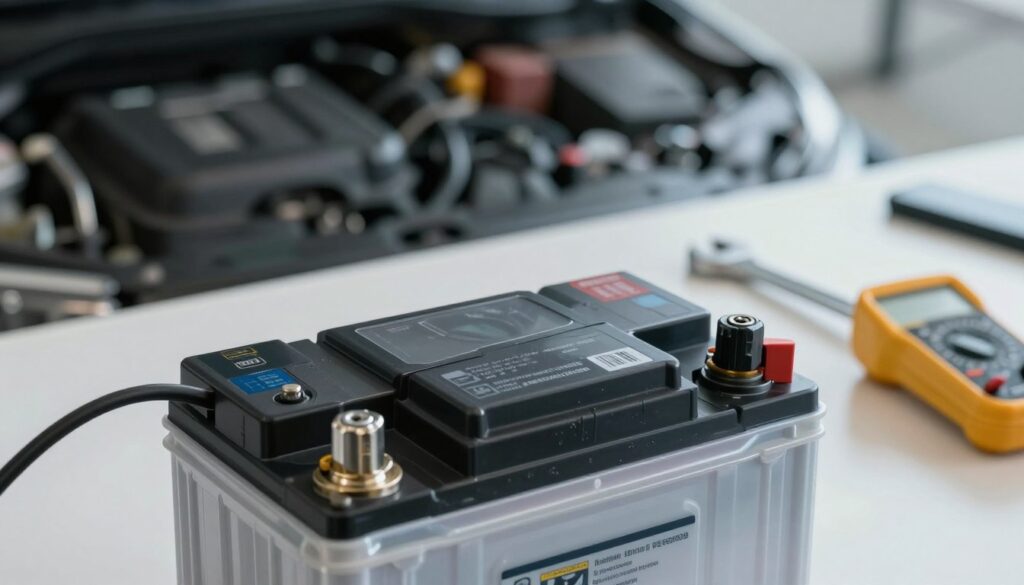
Lead-Acid Batteries
Lead-acid batteries are the most common. They use liquid to help start your car. They are highly reliable and cheap for cars without lots of electronics.
- Affordability: They are the cheapest option.
- Proven Technology: They’ve been used for decades.
- Availability: You can find them at any auto parts store.
AGM Batteries
AGM batteries are a big step up from lead-acid. They use a fiberglass mat to keep the liquid in. This makes them spill-proof and vibration-resistant.
They’re great for cars with stop-start tech. They handle being charged and discharged often. AGM batteries are also good for cars with lots of electronics.
They charge faster and last longer than lead-acid. This makes them a smart investment for your car’s health.
Lithium-Ion Batteries
Lithium-ion batteries are the newest option. They’re lighter and charge faster than lead-acid. They’re often used in high-performance cars.
They cost more upfront but are very efficient. If you want a car battery for extreme conditions, lithium-ion might be right. Make sure your car can handle this advanced battery before switching.
Battery Brands to Consider
Finding a reliable power source is key for your vehicle’s performance. But, choosing the right brand is just as important. When you look at car battery brands, some stand out for their durability and consistent output. Going with a well-known brand can give you peace of mind, even in harsh weather.
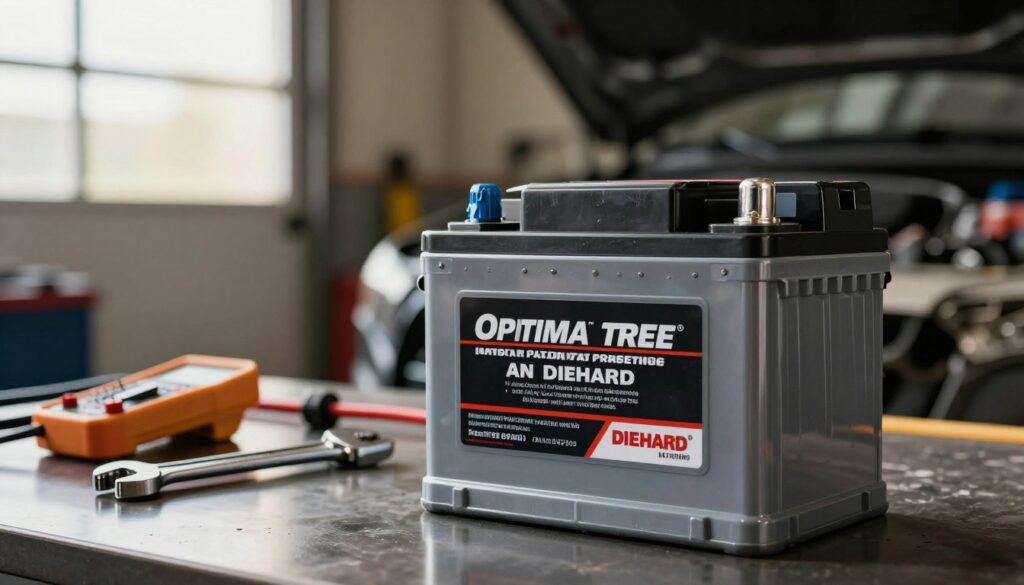
Top Manufacturers
Several top names are known for their engineering and long life. ACDelco is famous for its quality that meets or beats factory standards. Many drivers choose this brand for its perfect fit in many vehicles.
DieHard is a well-known name for its tough build and handling heavy electrical loads. Optima is also popular for its spiral-cell technology. These batteries are great for those who want high performance from their car battery.
Budget-Friendly Options
It’s possible to save on car battery cost without losing quality. Many stores sell private-label batteries made by top brands. These offer great value, giving you a reliable start without the high price of national brands.
Always check the warranty when buying. A bit more money upfront can save you in the long run. Look at these features to find the best deal for your needs.
| Brand | Primary Strength | Price Range | Warranty |
|---|---|---|---|
| ACDelco | OEM Reliability | Moderate | 36 Months |
| DieHard | Durability | Moderate to High | 36-48 Months |
| Optima | High Performance | High | 36 Months |
| Value Brands | Affordability | Low | 12-24 Months |
The Importance of Compatibility
Getting a battery that fits right is essential for your car’s electrical system. When looking for a car battery, focus on technical specs, not looks or brand name. The wrong fit can cause problems like electrical shorts or damage to your car’s computer.

Vehicle Make and Model
Car makers design their electrical systems with specific needs in mind. For example, luxury cars like BMWs need batteries that match their computer system. This ensures the alternator charges the battery correctly, avoiding early failure.
Check your owner’s manual for the right voltage and chemistry for your engine. Don’t guess, as it can cost you a lot later. When searching for a car battery near me, give your car’s details to the seller to get the right one.
Battery Size and Fit
The size of the battery is as important as its power. A battery too big won’t fit, and one too small might vibrate and cause issues. Always check the manual for size, not just online tools, which can be wrong.
It’s key to secure the battery well to avoid movement. If finding the right size is hard, look for a car battery near me at a local store. This way, you can compare sizes before buying.
| Compatibility Factor | Why It Matters | Action Required |
|---|---|---|
| Physical Size | Prevents vibration damage | Measure battery tray |
| Electrical Coding | Ensures proper charging | Check manufacturer specs |
| Terminal Position | Ensures cable reach | Verify polarity layout |
| Capacity (Ah/CCA) | Supports vehicle electronics | Match manual requirements |
Installation Tips for Your New Battery
Installing a new battery is easy, whether you’re a pro or a beginner. It’s key to do it right to keep your car running smoothly. This way, your electrical system stays safe from harm.
DIY vs. Professional Installation
Choosing between DIY or a pro depends on your comfort with car care. Pros bring expertise and handle old battery disposal, following local rules.
Going DIY? Be careful. Always disconnect the negative terminal first and reconnect it last. This step avoids electrical shorts that can mess up your car’s computer.
“Safety is not just a practice; it is the foundation of every successful automotive repair.”
Tools You’ll Need
Before starting, get the right tools for a smooth battery swap. The right tools help avoid stripped bolts and ensure a strong connection.
Here’s what you should have:
- Adjustable wrench or socket set for terminal bolts.
- Wire brush or terminal cleaning tool to remove corrosion.
- Safety glasses and work gloves for protection.
- Battery terminal puller if the connections are stuck.
- Baking soda and water solution for cleaning the tray.
Prep your workspace well to make sure your car battery works great. A clean, tight connection means your battery lasts longer and avoids starting problems.
Maintaining Your Car Battery
We think taking care of your car’s battery saves money and stops breakdowns. Regular car battery maintenance makes sure your car starts every morning. Spending a little time on these tasks keeps your car running well and saves you from a dead engine.
Regular Checks and Maintenance
Check your car battery every few months for wear or damage. Look for bulges or cracks in the casing, which mean internal problems from extreme temperatures. If your car is parked for a long time, use a float charger.
Float chargers keep your battery charged when it’s not in use. They keep the battery’s chemistry stable. This simple step can make your battery last longer.
Cleaning Battery Terminals
Corrosion builds up around the terminals over time. This white or blue powder stops electricity flow from the car battery to the starter. Use a stiff wire brush with baking soda and water to clean it off.
After cleaning, rinse the terminals with water and dry them. Apply a thin layer of terminal grease or spray to protect them from moisture. Clean terminals mean your car battery maintenance pays off with reliable power.
| Maintenance Task | Frequency | Primary Benefit |
|---|---|---|
| Visual Inspection | Every 3 Months | Detects physical damage |
| Terminal Cleaning | Every 6 Months | Prevents electrical resistance |
| Float Charging | During Long Storage | Prevents deep discharge |
| Voltage Testing | Annually | Monitors overall health |
Environmental Considerations
We believe every driver has a big role in reducing waste. When you replace your car battery, you’re doing more than just maintenance. You’re choosing how to handle harmful materials. Proper disposal keeps lead and acid out of our soil and water.
Battery Recycling Programs
In the United States, most auto stores have strong recycling programs. When you buy a new car battery, you’ll see a “core charge” on your bill. This charge encourages you to return your old battery.
Returning your old battery gets you your deposit back and ensures safe processing. Learning about the environmental impact of battery making shows why recycling is key. If you’re not sure where to recycle, just search for a car battery near me.
Eco-Friendly Battery Options
Choosing eco-friendly batteries is another way to help. Modern batteries are made with less toxic waste. When shopping, look for these qualities to reduce your impact:
- Durability: Pick batteries that last longer to replace less often.
- Material Composition: Opt for batteries made with recycled materials.
- Proper Maintenance: Keeping your current battery in good shape is the best eco-choice.
Need help finding a recycling center? Search for a car battery near me to find local facilities. They can safely dispose of different battery types. These small actions help keep our environment clean for all.
Warranty and Lifespan
When you’re ready for a car battery replacement, knowing about your warranty is key. A good battery usually costs between $100 and $400. This price depends on its technology and how well it performs.
Understanding Battery Warranties
Good manufacturers offer a warranty for at least three years. This warranty covers full replacement if there’s a defect.
But, you need to take care of your battery. If you don’t, or if you damage it, you might lose your warranty.
Average Lifespan of Car Batteries
Most batteries last between three and five years. Many things can affect how long it lasts, like the weather and how much you drive.
Heat can really hurt your battery. Regular checks can help it last longer and prevent sudden failures.
| Battery Type | Expected Lifespan | Estimated Cost |
|---|---|---|
| Lead-Acid | 3-4 Years | $100 – $200 |
| AGM | 4-6 Years | $200 – $350 |
| Lithium-Ion | 7-10 Years | $300 – $400+ |
Thinking about your next car battery cost means looking at more than just the price. A strong warranty makes sure replacing your battery won’t break the bank.
Final Thoughts on Choosing a Car Battery
Choosing the right car battery is about finding the right mix of tech specs and what you need. Always check your owner’s manual. This ensures the battery fits your car’s electrical needs.
Making an Informed Decision
Price can show a brand’s reputation or special tech like AGM. But, a higher price doesn’t always mean a longer life. Sometimes, a mid-range battery works just as well for daily driving.
Looking into what a more expensive car battery offers can help. It shows if the extra cost is worth it for your driving style.
Importance of Research
When searching for the best car battery, look at cold cranking amps and group size. These match your car’s needs. Choosing the right battery for your climate and driving habits is key.
Don’t just pick the most expensive battery. Verifying these details helps avoid breakdowns. It keeps your car running well for years.
How can I find a reliable car battery near me in an emergency?
Most major automotive retailers like Pep Boys, NAPA Auto Parts, and Walmart stock a wide variety of sizes. Call ahead with your vehicle’s year, make, and model to ensure they have your specific group size in stock for immediate replacement.
What is the average car battery cost for a standard sedan?
A standard lead-acid battery usually costs between 0 and 0. If your vehicle requires a high-performance AGM unit from brands like DieHard or Optima, the price can range from 0 to 0.
How long is the typical car battery life under normal conditions?
Most batteries provide reliable service for three to five years. Extreme heat or intense vibration can shorten this lifespan significantly.
Is professional car battery installation necessary for modern vehicles?
While many drivers can handle a DIY swap, professional installation is recommended for modern luxury cars like BMWs or Audis. These vehicles often require a scan tool to “register” the new battery for proper charging.
What are the most reliable car battery brands on the market today?
ACDelco, DieHard, Interstate Batteries, and Optima consistently offer high performance. These brands are known for rigorous testing and generous warranty periods.
What steps are involved in basic car battery maintenance?
Inspect the terminals every six months for signs of corrosion. Clean the posts with a terminal brush and ensure the hold-down clamp is tight to protect your battery life.
Why is the CCA rating important when buying a car battery?
Cold Cranking Amps (CCA) show how much power the battery can provide in freezing temperatures. If you live in a cold climate, choose a battery that meets or exceeds the CCA rating in your owner’s manual for reliable starts.

I’m Moheen Iftikhar, founder of «CarRocketi». Driven by a passion for automotive innovation, I share insights on car trends, advanced technology, driving tips, and expert reviews to keep enthusiasts informed, inspired, and ahead of the curve.