

Car Emissions Test Near Me – Fast and Affordable Options
Keeping your car in good shape is a big deal for every driver in the U.S. Finding a car emissions test near me is a key step to make sure your car meets local air quality rules.
We know you’re always on the go. That’s why we look for service centers that do quick and expert checks. By picking the right place, you help the planet and don’t wait too long at the shop.
We aim to make dealing with these rules easy for you. Finding a top-notch car emissions test near me should be easy and won’t break the bank. It keeps your car running well on the road.
Key Takeaways
- Regular checks are key to meet state air quality rules.
- Choosing a pro saves you a lot of time.
- There are cheap ways to stay in line without spending too much.
- Good care stops problems during your check.
- Planning ahead makes dealing with car registration deadlines less stressful.
Understanding Car Emissions Testing
Learning about our local air quality programs shows why we need to keep our engines in good shape. These programs are key to reducing the harm our daily drives cause. They help keep our roads clean by checking vehicles that don’t meet safety standards.
What is a Car Emissions Test?
A car pollution test checks how much bad stuff a vehicle’s exhaust system puts out. Technicians use special tools to look at the emissions while the engine is running. This tells us if the vehicle meets air quality rules set by states and the federal government.
“Clean air is a fundamental right, and our collective efforts in maintaining vehicle standards are the first line of defense against urban pollution.”
Why Are Emissions Tests Important?
Vehicle emissions testing is key to keeping our air clean and our health safe. Cars that aren’t well-maintained can release too much bad stuff into the air. This can make it hard to breathe and harm our environment.
If your car keeps failing these tests, it might be time to think about getting a new one. For example, when we buy any car, it could be a chance to get a better one. Keeping our cars in good shape helps our environment and saves us from fines.
How Often Should We Get Tested?
Most places make you get your car checked every two years to follow the law. The rules can change, but here’s what usually happens:
- Biennial Testing: Most states say you need to get your car checked every two years.
- Registration Renewal: You often need to show you passed a car pollution test to renew your car’s registration.
- Change of Ownership: Some places want you to get your car checked when you sell it or give it to someone else.
Regulations Surrounding Emissions Testing
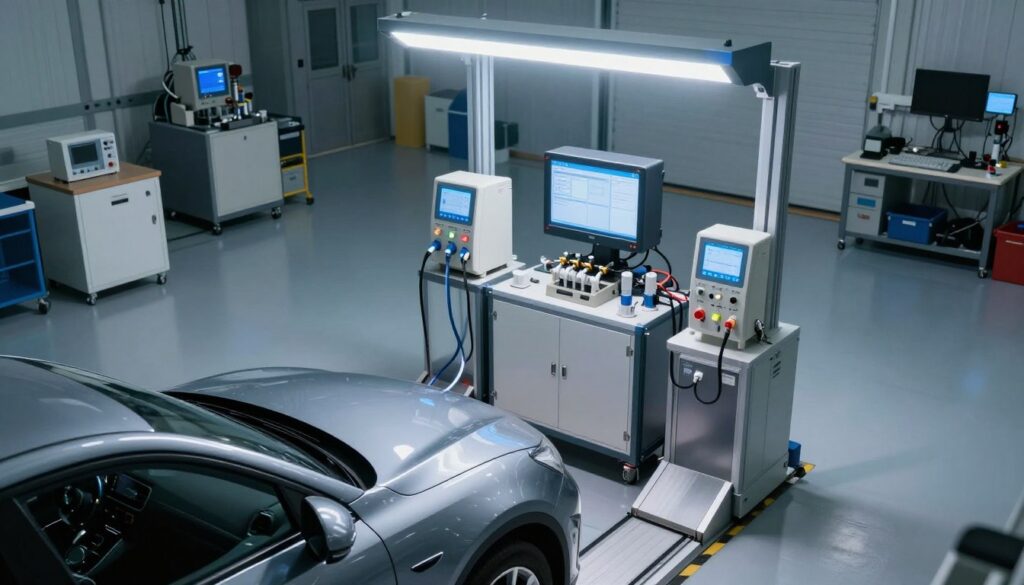
Following emission standards is a must for drivers everywhere. It’s not just a rule; it’s the law. By doing regular vehicle emissions testing, we keep our air clean and avoid legal issues.
State-Specific Regulations
Each state has its own way of managing air quality. Some need annual checks, while others only test during registration or title transfers. It’s crucial to check your local DMV for vehicle emissions testing rules.
Federal Regulations and Standards
The Environmental Protection Agency (EPA) sets air quality rules under the Clean Air Act. These rules make sure cars meet strict pollution limits. The EPA sets the standards, but states enforce vehicle emissions testing programs.
Consequences of Non-Compliance
Not following these rules can cause big problems. Missing vehicle emissions testing might lead to fines or even losing your car’s registration. We recommend staying ahead of these issues.
| Regulatory Level | Primary Focus | Enforcement Method |
|---|---|---|
| Federal (EPA) | Manufacturing Standards | Corporate Compliance |
| State/Local | Operational Compliance | Registration Blocks |
| Municipal | Air Quality Zones | Traffic Enforcement |
How to Find a Test Center Near You
Finding a reliable place for your car’s environmental check is key for every driver. It’s important to choose a trustworthy service for a smooth inspection. Whether you’re looking for a car emissions test near me or other services like car alignment near me, picking the right place is vital.

Using Online Search Tools
The best way to find a facility is through official state websites. These sites list all nearest emissions test facilities in your area. You can also use mapping apps to find places close to you, making it easy to fit into your schedule.
Asking for Recommendations
Getting tips from others is a great way to find quality service. Ask friends, family, or your mechanic for their go-to emissions test center. Many local repair shops are also certified for state inspections, saving you a trip.
Checking Local Listings and Reviews
Before you go, check out what others say on Google or Yelp. Look for mentions of fast and affordable service to see if the staff is professional. Shops with lots of positive reviews are likely to offer honest and clear inspections.
| Search Method | Primary Benefit | Best For |
|---|---|---|
| State Portals | Verified Accuracy | Finding an official auto emissions test location |
| Mapping Apps | Real-time Proximity | Quick, nearby access |
| Customer Reviews | Service Quality | Ensuring honest, friendly staff |
By following these steps, you can easily find emissions testing near me that fits your needs. Spending time to research ensures your car gets the best care without delays.
Preparing for Your Emissions Test
Getting your vehicle ready for a checkup starts long before you arrive. Taking a few steps ahead can help your car pass the test. This way, you avoid the stress of a failed emissions inspection.

Documents to Bring
Before you leave, make sure you have the right papers. You’ll need a valid driver’s license and current vehicle registration. These are usually required at the service bay.
It’s also smart to bring the renewal notice from your local DMV if you have it. Having these documents ready helps the technician do your emissions inspection quickly.
Common Vehicle Issues to Address
Keeping your car in good shape is key to passing the test. Always check for an “Check Engine” light. If it’s on, you’ll likely fail the test.
Also, make sure your tires are inflated and your oil levels are good. These small checks can help your engine run better. Fixing these issues before your test saves time and money.
Tips for a Successful Test
Changing how you drive can help you pass. Drive your car for at least 20 minutes before the test. This warms up the engine.
A warm engine makes the catalytic converter work better. This is important for passing an emissions inspection. By following these tips, you can be sure your car will meet all the environmental standards.
What to Expect During the Test
Knowing what happens at an emissions testing station makes your visit easier. We all dread going for an emissions inspection. But, being ready takes away the stress.
Step-by-Step Process
First, we check in with the technician. They look at our vehicle registration and check what’s needed for our area.
After that, the technician moves our car to the testing area. They check the exhaust system visually. Then, they start the electronic tests.
Types of Tests We May Encounter
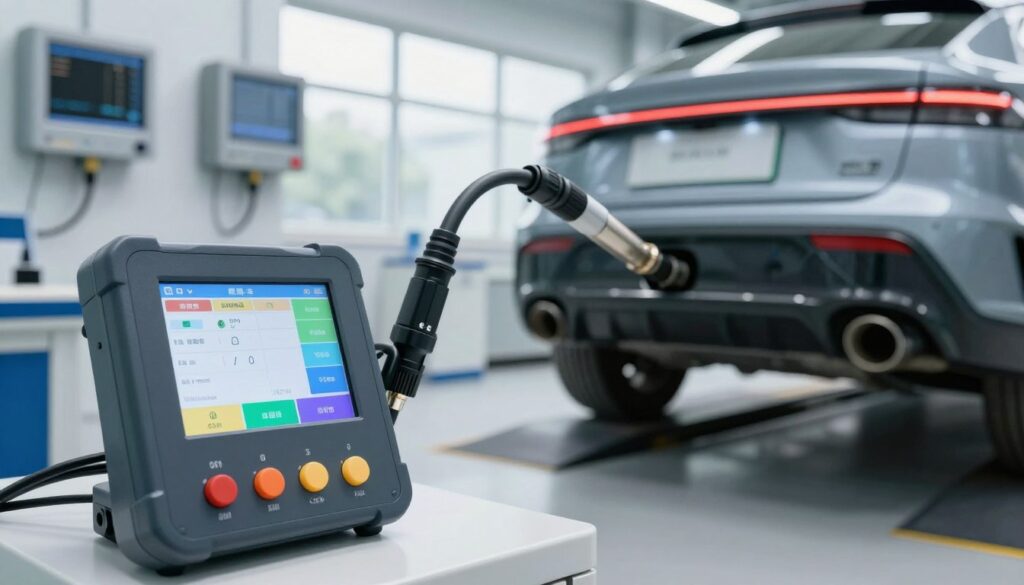
Technicians use various tests based on our car’s age and model. Most cars get an On-Board Diagnostics (OBD) test. This connects to the car’s computer to find any errors.
Older cars might get a tailpipe test. This involves inserting a probe into the exhaust to measure gas emissions. If you want a newer car that passes these tests easily, check out a car dealership.
Duration of the Test
Inspections usually take 15 to 30 minutes. But, the time can vary based on the car and how busy the emissions testing station is.
| Test Type | Primary Method | Typical Duration |
|---|---|---|
| OBD II Test | Computer Scan | 10-15 Minutes |
| Tailpipe Test | Exhaust Probe | 20-30 Minutes |
| Visual Check | Manual Inspection | 5-10 Minutes |
Arriving early or scheduling an appointment helps avoid long waits. Knowing what to expect helps keep our day running smoothly and our car in good shape.
Understanding Test Results
After your vehicle is inspected, you’ll get a detailed report on its environmental performance. This report is key to keeping your vehicle in top shape and following state laws. We think knowing about your car emissions check results helps you make smarter choices about car care.
What Do the Results Mean?
The main goal of the inspection is to check if your vehicle meets air quality standards. A “Pass” means your car’s systems are working right. But, a “Fail” shows that something’s not quite right, which could pollute too much.
“Knowledge is the most powerful tool a driver can possess when maintaining a vehicle’s long-term health and efficiency.”
How to Read Your Emission Report
Your report lists monitors and sensor readings. These show how well your on-board diagnostic system talks to the testing gear. Look for “Ready,” “Not Ready,” or “Fail” next to each system.
A “Not Ready” status often means the vehicle’s computer needs to finish its self-test. This can happen after a battery change or a repair. You might need to drive your car under certain conditions to reset these monitors before another car emissions check.
Steps After Receiving Results
If your vehicle passes, keep the report safe for your registration renewal. But, if it fails, don’t worry. Most problems can be fixed by a certified mechanic.
- Review the failure codes: These codes help your mechanic find the exact problem.
- Consult a professional: Take your report to a shop that knows about emissions repairs.
- Keep all receipts: You’ll need these for any waivers or financial help.
- Schedule a retest: After repairs, go back to the testing center for a final car emissions check.
Common Reasons for Failing an Emissions Test
Failing an emissions test can be frustrating. But knowing why it happens is the first step to fixing it. Common issues like faulty parts need our attention. By fixing these problems, we can pass our next car emissions check.

Faulty Catalytic Converters
The catalytic converter is key in reducing harmful pollutants. Over time, it can get clogged or damaged. This stops it from working right, leading to higher emissions and a fail.
Issues with the Exhaust System
A good exhaust system keeps everything sealed for accurate readings. Even a small leak can throw off the readings. This can cause the engine to run too lean, leading to a failed car emissions check.
Electrical Problems in the Vehicle
Modern cars have complex systems for fuel and emissions. Problems with sensors or the computer can cause issues. Fixing these electrical problems is key to passing our car emissions check.
Addressing Repairs After a Failed Test
A failed test result is not the end of the road for your vehicle; it is an opportunity to address underlying performance issues. Identifying these problems early prevents long-term damage to your engine and exhaust system. By visiting a reputable emissions test center, you gain the specific data needed to restore your car to peak efficiency.
Working with Certified Mechanics
When your vehicle does not pass, we recommend working with a certified mechanic. They can provide an honest and accurate repair plan. These professionals have the tools to interpret your report correctly. You can find helpful resources for managing your vehicle repairs to ensure you meet state standards.
“The bitterness of poor quality remains long after the sweetness of low price is forgotten.”
Understanding Repair Costs
Evaluating repair costs is a critical step in the process. We suggest obtaining multiple quotes to ensure transparency and fair pricing. Prioritizing repairs that directly impact your emissions output will help you manage your budget effectively while ensuring your vehicle remains compliant.
| Repair Category | Typical Impact | Cost Priority |
|---|---|---|
| Catalytic Converter | High | Urgent |
| Oxygen Sensors | Medium | Moderate |
| Exhaust Leaks | High | Urgent |
When to Retest
Once the repairs are complete, allow your vehicle to go through a “drive cycle” before returning to the emissions test center. This process resets the onboard computer, ensuring all monitors are ready for a new evaluation. Taking this extra step significantly increases your chances of passing on the second attempt.
Financial Assistance and Incentives
Many drivers don’t know about the financial help for vehicle emissions. The cost of a car pollution test and repairs can be tough. But, there are resources to help keep your car green without breaking the bank.
State Programs for Emission Improvements
States know that repair costs can stop people from passing tests. So, they have repair assistance programs for those who qualify. These programs give vouchers or payments to cover the cost of needed repairs.
To qualify, you need to meet income and vehicle age requirements. Check your state’s environmental agency website to see if you’re eligible. Using these programs helps keep your car in good shape while following the law.
Tax Credits for Eco-Friendly Upgrades
There are tax credits for cleaner vehicle upgrades. If your car pollution test shows you need a better exhaust system, you might get a tax credit. These credits can make owning a cleaner car more affordable.
Talk to a tax expert to see if you qualify. Investing in eco-friendly parts is good for the planet and your car. Keep all your receipts to claim these benefits when it’s tax time.
Finding Affordable Repair Options
Finding a shop with good prices is key when you need repairs. Many local mechanics offer special offers and flexible hours. Call around to compare prices before choosing a shop.
Some shops also have payment plans to help with big repairs. Picking a shop that cares about cost can make a big difference. Here’s a quick look at the financial help you might find:
| Support Type | Primary Benefit | Eligibility Basis |
|---|---|---|
| State Repair Vouchers | Covers repair costs | Income and vehicle age |
| Tax Credits | Reduces tax liability | Eco-friendly upgrades |
| Shop Payment Plans | Increases budget flexibility | Service provider policy |
Maintaining Low Emissions in Your Vehicle
Keeping your vehicle healthy for the long term means sticking to a routine and driving smart. Simple maintenance and small changes in how we drive can help. This keeps our engines clean and our cars running well.
Proactive Care Strategies
Regular oil changes and air filter swaps help prevent engine problems. They also cut down on harmful emissions. These steps keep our cars in great shape, making trips to the emissions testing station easy.
Proper tire pressure and quick fixes for dashboard lights also save fuel. These actions help our cars last longer and run better.
Sustainable Driving Habits
Fast starts and hard braking use more fuel and pollute more. Instead, we drive smoothly. This lowers our carbon footprint and makes our cars last longer.
These small changes help keep our air cleaner. They’re good for our community and the planet.
Future Transportation Choices
New tech offers cleaner car options like hybrids and electric vehicles. When it’s time for a new car, we might choose one of these. They use less fuel and make emissions tests easier.
By staying up-to-date and proactive, we protect our investment and the environment. It’s a win-win for everyone.
FAQ
What is a Car Emissions Test?
A car emissions test checks how much pollution your vehicle emits. It makes sure your car meets environmental safety laws.
Why Are Emissions Tests Important?
Emissions tests help reduce pollution from cars. They catch cars that pollute too much and fix them to meet air quality standards.
How Often Should We Get Tested?
In most places, you need to get your car tested every two years. This keeps cars from polluting too much as they get older.
State-Specific Regulations
Each state has its own rules for emissions tests. For example, California and Illinois have specific rules based on your car’s age, model, and weight.
Federal Regulations and Standards
The Environmental Protection Agency (EPA) sets federal standards. These standards are the minimum that all emissions testing stations must follow.
Consequences of Non-Compliance
If you don’t get your car tested, you could face big penalties. This includes not being able to renew your car’s registration. It’s important to follow the rules to avoid fines and keep your car legal.
Using Online Search Tools
The best way to find a test center is online. Use search engines or mapping services to find the nearest one.
Asking for Recommendations
Word of mouth is a good way to find a reliable test center. Ask friends, family, or local car clubs like AAA for recommendations.
Checking Local Listings and Reviews
Before you go, check reviews on sites like Yelp or Better Business Bureau. This helps you know if the technicians are trustworthy.
Documents to Bring
Bring your car’s registration and any renewal notices. This makes checking in easier.
Common Vehicle Issues to Address
Check for any dashboard lights before the test. Fixing small problems early can help you pass.
Tips for a Successful Test
Drive your car at high speeds for 20 minutes before the test. This warms up the engine and catalytic converter for accurate readings.
Step-by-Step Process
A technician will inspect your car in a bay. They’ll use special equipment to check pollutants and analyze data from your car’s computer.
Types of Tests We May Encounter
Depending on your car, you might get an OBDII test or a tailpipe smoke test. These tests check if your car meets current regulations.
Duration of the Test
Most tests take 15 to 30 minutes. Knowing this helps you plan your day without delays.
What Do the Results Mean?
The results show if your car passed or failed. A pass means you can renew your registration.
How to Read Your Emission Report
The report shows pollutant levels. Look for any “out of range” values that might mean your engine needs fixing.
Steps After Receiving Results
If you pass, the results go to the DMV. If you fail, take the report to a mechanic to fix the problems.
Faulty Catalytic Converters
A bad catalytic converter is a common reason for failing. It’s key for cleaning harmful gases from your exhaust.
Issues with the Exhaust System
Leaks in the exhaust can cause problems. Make sure everything is sealed and working right to pass the test.
Electrical Problems in the Vehicle
Bad sensors can make your car pollute more. Fixing these issues is important for passing the test.
Working with Certified Mechanics
Get help from certified mechanics like Firestone Complete Auto Care or Pep Boys. They can give you a good plan for repairs.
Understanding Repair Costs
Repair costs vary. Get a detailed estimate to manage your budget. This helps you plan for the repairs.
When to Retest
After repairs, go back to the test center as soon as you can. Many places offer free or discounted retests if you do it quickly.
State Programs for Emission Improvements
Many states help low-income drivers with repair costs. Look into these programs to keep your car in good shape.
Tax Credits for Eco-Friendly Upgrades
Upgrading your car to be more eco-friendly might get you tax credits. This makes it easier to care for the environment.
Finding Affordable Repair Options
Compare prices from different mechanics to find the best deal. Local charities and non-profits might also offer discounts for repairs.
Regular Maintenance Tips
Regular oil changes, air filter replacements, and spark plug maintenance keep your engine clean. This helps you pass emissions tests.
Adopting Eco-Friendly Driving Habits
Avoid idling and drive at steady speeds. These habits improve fuel efficiency and reduce pollution.
Alternatives to Traditional Vehicles
Consider hybrid or electric cars for zero emissions. Brands like Tesla or Ford offer these options for a greener ride.
How can we find the nearest emissions test facility quickly?
Use online directories or search engines to find a test center. Check your state’s DMV website for authorized locations.
What is involved in a standard car emissions check?
Technicians use special equipment to measure pollutants. They might also check your car’s computer for accurate readings.
How much does a car pollution test usually cost?
Costs vary by state and facility. Expect to pay between to . Call ahead to confirm prices and if appointments are needed.
What happens if our vehicle fails the emissions inspection?
You’ll get a report showing why you failed. Take your car to a certified mechanic for repairs before retesting.
Can we find emissions testing near me that offers financial assistance?
Many states offer financial help for repairs if you fail. Ask the test center about available programs or vouchers.
Is vehicle emissions testing mandatory for all cars?
Testing rules vary by location, car age, and fuel type. Check your local government’s environmental or motor vehicle department for details.

I’m Moheen Iftikhar, founder of «CarRocketi». Driven by a passion for automotive innovation, I share insights on car trends, advanced technology, driving tips, and expert reviews to keep enthusiasts informed, inspired, and ahead of the curve.