


Car Complaints Guide: Common Problems and Solutions
Owning a car means always being ready for unexpected problems. These issues can mess up our daily plans and cost a lot to fix.
Places like CarComplaints.com give us important info on car troubles. For example, the 2019 Ford Escape’s coolant leak into the cylinders is a big problem. It shows why it’s key to do your homework before buying.
By looking into common car complaints, we can make better choices about car care. Knowing about these car complaints helps keep our cars in good shape. It also makes sure they last longer on the road.
Key Takeaways
- Use data-driven sites to check on car model histories.
- Spot common car problems early to avoid big engine issues.
- Regular car care keeps your car’s value up.
- Keep up with manufacturer recalls and service bulletins.
- Being proactive makes driving safer and saves money on repairs.
Understanding Car Complaints
We think every car owner should know how to handle problems with their vehicle. It’s important to know how to deal with car complaints effectively. This skill is essential for any driver.
What Constitutes a Car Complaint?
A formal grievance is when a vehicle doesn’t meet safety or performance standards. It also includes unresolved issues like car AC repair. Clear documentation is key for a valid claim.
Importance of Reporting Issues
Reporting issues is not just for personal help. It helps the whole consumer community. When you report, you help agencies like the FTC track dealer misconduct. Proactive communication can lead to big changes.
Common Reasons for Complaints
Drivers face many challenges that need formal action. Whether it’s a recurring engine fault or misleading sales, finding the cause is key. The table below shows the main reasons for car complaints.
| Category | Primary Issue | Regulatory Focus |
|---|---|---|
| Mechanical | Engine or Transmission failure | Safety Standards |
| Sales | Deceptive advertising | FTC Oversight |
| Service | Dealer misconduct | Consumer Protection |
| Warranty | Coverage disputes | Contractual Law |
By understanding these categories, we can grasp the scope of car problems. Keeping a record of all interactions helps protect you during the resolution process.
Types of Car Complaints We Encounter
We look at the most common mechanical and electronic failures in cars today. By spotting these trends, we help you see if your vehicle issues are common or unique to certain cars.
Engine Problems
Engine issues often include performance drops, odd noises, or dashboard lights. These mechanical failures can be small problems or serious damage needing expert help.
Transmission Issues
Transmission problems usually involve slow shifting, grinding sounds, or leaks. These issues often come from software mistakes or worn-out parts.
Electrical System Failures
Modern cars have complex software that can cause vehicle malfunctions. For example, we’ve seen tech problems like head unit and Apple CarPlay issues in 2025 and 2026 Volvo EX30 models.
Suspension and Brake Complaints
Drivers often mention uneven tire wear or vibrations when braking. These issues are key for safety and need quick fixes to avoid more damage.
| Category | Common Symptom | Typical Cause |
|---|---|---|
| Engine | Check Engine Light | Sensor Failure |
| Transmission | Rough Shifting | Fluid Degradation |
| Electrical | Screen Freezing | Software Glitch |
| Brakes | Squealing Noise | Pad Wear |
Common Engine Problems and Their Solutions
When your engine starts to have trouble, it’s a sign of bigger vehicle issues that need quick action. We think that finding and fixing problems early is key to keeping your engine running well.
By catching small problems early, you can stop them from getting worse. This way, you avoid common car complaints that many drivers face.
Overheating Engines
An overheating engine is a big problem that usually comes from not taking care of the cooling system. Common causes include low coolant, a stuck thermostat, or a failing water pump.
If your temperature gauge goes up, pull over and let the engine cool down. Never remove the radiator cap while the engine is hot, as it can cause burns.
Oil Leaks
Oil leaks often happen because of old gaskets or seals that have lost their shape. These leaks can make a mess and also cause low oil pressure, which harms your engine.
“An ounce of prevention is worth a pound of cure when it comes to the longevity of your engine’s internal parts.”
It’s a good idea to check your oil levels often and look for dark spots under your car. Replacing bad seals quickly will help keep your engine in good shape.
Performance Issues
When your car doesn’t accelerate well, idles rough, or loses power, it’s a sign of trouble. These vehicle issues are often due to dirty air filters, bad spark plugs, or dirty fuel systems.
Regular tune-ups are important to keep your engine running smoothly. By taking care of these common car complaints, you make sure your car is reliable.
Transmission Problems: What to Look For
If your car starts acting strange, it might have vehicle issues that need fixing fast. The transmission is a complex part of your car. Spotting problems early can stop small issues from getting worse.
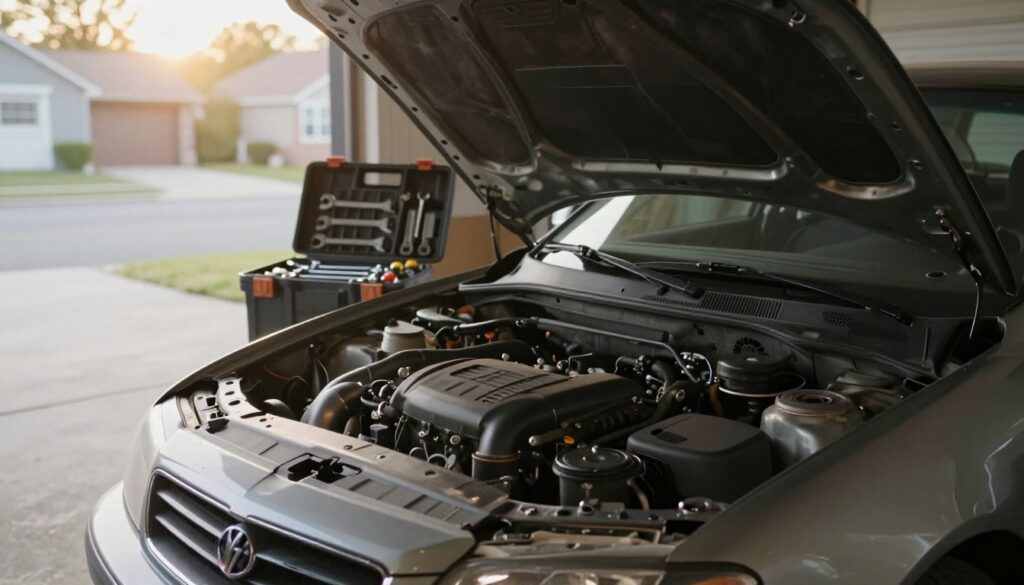
Signs of Transmission Failure
Slipping gears is a big warning sign. It means the engine revs up but the car won’t move fast. You might also see a delay when shifting gears. These signs can lead to bigger vehicle issues if ignored.
Fluid Leaks and Maintenance
Transmission fluid keeps the system running smoothly. If you see red or brown spots under your car, it’s leaking. Regular checks, like car alignment near me, help keep the transmission cool and well-lubricated.
Repair vs. Replacement Considerations
Choosing between fixing or replacing the transmission is a big decision. Look at your car complaints role shopping to see if your car has had similar problems. A detailed check can tell you if a simple fix or a full replacement is needed.
| Symptom | Potential Cause | Urgency Level |
|---|---|---|
| Slipping Gears | Low Fluid or Worn Clutches | High |
| Delayed Engagement | Fluid Pressure Issues | Medium |
| Burning Smell | Overheated Fluid | Critical |
| Grinding Noises | Internal Gear Damage | Critical |
It’s important to weigh repair costs against the value of your car. Being proactive can help avoid vehicle issues and make your transmission last longer.
Addressing Electrical System Complaints
Many automotive problems come from hidden electrical faults. These faults are hard to find. Modern cars have complex systems for fuel and climate control. When these systems fail, it can cause many issues.
Battery and Charging Problems
The battery is key to your car’s electrical system. A weak battery can cause intermittent starting issues or odd behavior in electronics. It’s important to check your battery often to avoid automotive problems.
The alternator must keep the battery charged while the engine runs. If it fails, the battery will drain. Watch for dashboard lights that show a charging problem.
Issues with Wiring and Connectors
Wiring damage is a common cause of electrical failures. Vibration and heat can damage wiring over time. These automotive problems are tricky because they only happen under certain conditions.
Corrosion is another problem for your car’s electrical system. Moisture can damage connectors, causing signal issues. Check wiring for fraying or oxidation to avoid future problems.
Troubleshooting Electrical Failures
Fixing electrical faults needs a methodical approach and the right tools. A good multimeter helps us find voltage drops and continuity. This method helps pinpoint the fault without wasting money.
When you have automotive problems that keep coming back, keep track of when they happen. These issues often relate to temperature or engine load. By figuring out the cause, you can fix your car’s electronics more easily.
Dealing with Suspension Complaints
When your vehicle starts to feel unstable, you are likely dealing with common automotive problems related to the suspension. This system connects your tires to the chassis, making sure your ride is smooth and controlled. Ignoring these issues can lead to dangerous driving and expensive repairs later.
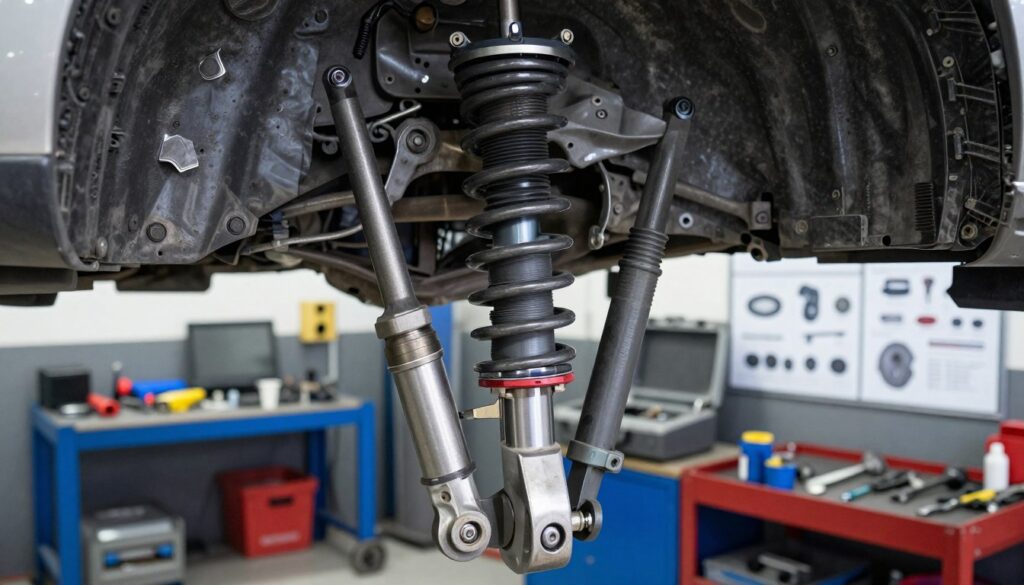
Signs of Suspension Wear
Pay attention to how your car handles during daily drives. If it pulls to one side or feels excessively bouncy after hitting a bump, the suspension may be failing. Uneven tire wear is another clear sign, showing the car’s weight is not being distributed right.
Shock Absorbers and Struts
Shock absorbers and struts help dampen road bumps. Over time, they lose their ability to control spring movement. When they wear out, you might notice longer stopping distances or a nose-dive effect when braking. Replacing these parts quickly is key to fixing these automotive problems before they cause more damage.
Importance of Wheel Alignments
Regular wheel alignments are key to keeping your vehicle in good shape. Misaligned wheels stress your suspension, causing it to wear out faster. By keeping your wheels aligned, you ensure even tire wear and better steering. Fixing these automotive problems early will make your driving better and extend your vehicle’s life.
Brake Problems: Safety Considerations
We focus on keeping you safe by checking and fixing automotive problems with your brakes. Your brakes are key to your safety, so we take them very seriously. If you ignore these signs, it could be very dangerous.
Squeaking and Grinding Noises
Strange sounds from your car mean it needs a check-up. A squeak means your brake pads are low, and a grind means they’re gone. Learn more about these common brake issues and solutions to stay informed.
“A well-maintained braking system is the difference between a safe stop and a roadside emergency; never ignore the sounds your car makes.”
Brake Fluid Leaks
Brake fluid keeps your brakes working right. If you see leaks or a soft brake pedal, it’s a big problem. Don’t drive if you think there’s a leak, as it could cause your brakes to fail.
Choosing the Right Replacement Parts
It’s important to pick the right parts for your car. Choose parts made for your car to ensure they fit and work right. While cheaper parts might seem good, they can cause more problems and might not be safe.
| Symptom | Potential Cause | Urgency Level |
|---|---|---|
| High-pitched squeal | Worn brake pads | Moderate |
| Metal-on-metal grinding | Rotor damage | Critical |
| Spongy pedal feel | Fluid leak or air | Critical |
Keeping your car in good shape is more than just brakes. If starting your car is a problem, you might need a car battery near me. Fixing these automotive problems quickly is key to staying safe on the road.
Understanding Recalls and Their Impact
Car trouble reports often lead to safety recalls. These recalls make our roads safer for everyone. They address safety defects that could harm drivers and passengers. By staying informed, you keep your vehicle in top shape.

How to Check for Recalls
The National Highway Traffic Safety Administration (NHTSA) handles car safety issues. You can check if your car has a recall on their website. Just enter your 17-character Vehicle Identification Number (VIN) in their search tool.
Manufacturer Responsibilities
When a safety defect is found, manufacturers must notify owners and fix it. They offer free repairs at authorized dealerships. It’s important to act fast when you get a recall notice to stay safe and keep your car’s value.
- Manufacturers must provide clear instructions on how to obtain repairs.
- Dealers are required to perform the necessary work without charging the owner.
- Companies must maintain records of all completed recall repairs.
Consumer Protections and Processes
If you have ongoing safety issues, you can file car defect complaints with federal regulators. This helps track trends and hold manufacturers accountable. Here’s how to protect yourself under consumer safety laws:
Document every interaction with your dealership about the recall. Keep all repair orders and letters to show you’ve tried to get the service. If a manufacturer doesn’t fix the problem, you can take it further through official channels.
Warranty Coverage for Common Complaints
Knowing what your warranty covers is key to fixing ongoing car problems. Many people get lost in the details, but it’s essential for filing car trouble reports at the dealership.
Types of Warranties Available
New cars usually have a factory warranty. This covers major parts for a certain time or miles. It’s important to remember that used cars from private sellers might not have valid warranties.
There are also powertrain and bumper-to-bumper warranties. Each has its own role in protecting your investment. For more info, check out official consumer guides.
What Is Covered vs. What Is Not
Warranties usually cover defects and mechanical failures under normal use. But they don’t cover routine maintenance like brake pads or oil changes. When you report car defect complaints, make sure it’s a real problem, not just wear and tear.
Understanding Extended Warranties
Extended warranties are contracts that start after your factory warranty ends. They offer extra peace of mind but have their own rules and costs. Always read the fine print to see if they cover your specific issues before you sign.
| Warranty Type | Primary Focus | Typical Duration |
|---|---|---|
| Factory Bumper-to-Bumper | Comprehensive coverage | 3 Years / 36,000 Miles |
| Powertrain Warranty | Engine and Transmission | 5 Years / 60,000 Miles |
| Extended Service Plan | Post-warranty protection | Varies by provider |
Steps to Take When Facing Car Complaints
When your car doesn’t meet your expectations, documenting everything is key. Keeping things organized helps manage car complaints effectively. This way, your concerns are taken seriously by service providers.
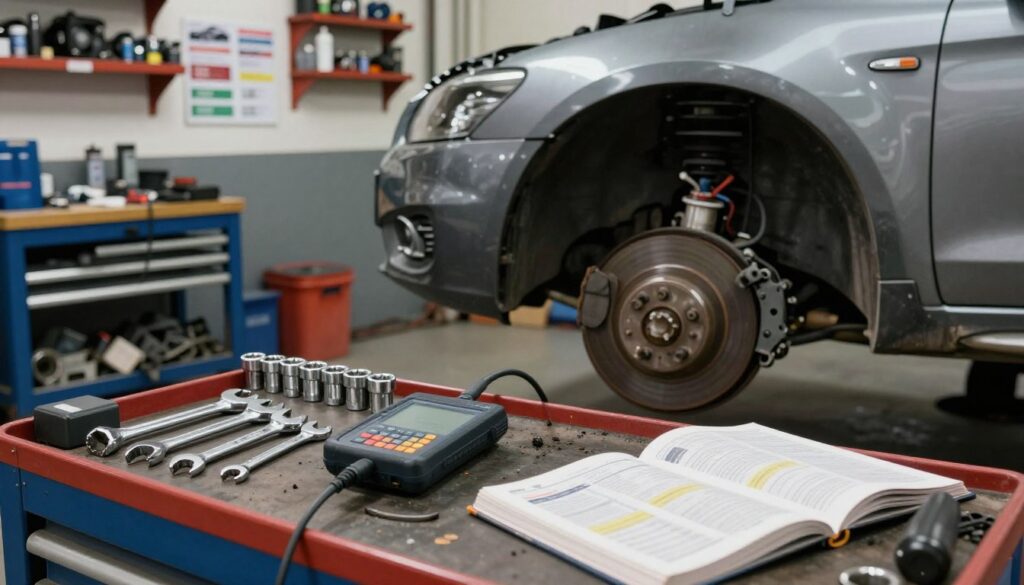
Documenting Issues and Repairs
For each service visit, keep a separate folder. Always get a detailed repair order before leaving. Make sure it lists the symptoms you reported.
Keep track of dates, mileage, and staff names in a log. This meticulous record-keeping proves your case if problems keep coming back.
Communicating with Your Mechanic
Clear talk is essential when dealing with auto grievances. Explain the problem simply, without guessing the cause.
Ask your mechanic to write down their findings. If you don’t understand, ask for more details before agreeing to expensive repairs.
“The strength of your position as a consumer relies entirely on the quality of the evidence you present during the dispute process.”
Knowing Your Rights as a Consumer
Knowing your legal rights helps you stand up for yourself. Many states protect car owners with unresolved car complaints.
Check your owner’s manual and warranty to know your coverage. Being informed boosts your confidence when dealing with auto grievances.
| Documentation Type | Purpose | Frequency |
|---|---|---|
| Repair Orders | Proof of service | Every visit |
| Service Logs | Tracking history | Daily/Weekly |
| Communication Notes | Record of advice | Per interaction |
When to Seek Legal Help for Car Complaints
Dealing with car problems can be incredibly frustrating and costly. If regular fixes don’t work, you might need to go to court. This step helps protect your rights as a car owner.
Understanding Lemon Laws
Most states have Lemon Laws for defective cars. These laws help if a car keeps breaking down after many fixes. You might get a new car or your money back.
Keep all repair records. They are essential evidence for your case. Check your local laws to see if you qualify.
Filing a Complaint with the FTC
If you think you were tricked by a business, report it to the Federal Trade Commission (FTC). The FTC watches for auto grievances to catch bad practices. Your report can help them take action against companies.
For loan or payment problems, contact the Consumer Financial Protection Bureau (CFPB). They handle complaints about car loans. Using these federal resources can help fix big car complaints.
Engaging with a Consumer Protection Attorney
For complex cases, getting a lawyer is wise. They handle serious safety issues or big financial losses. These experts know the law well.
A good lawyer can decide if you should sue or settle. They give you the legal leverage to fight big companies. If your safety is at risk, get legal help to fix your problem.
Future Trends in Car Complaints
The car world is changing fast with new tech and electric cars. Now, common car complaints are more about digital problems than old-school mechanical issues.
The Impact of Technology on Reliability
Car makers like Tesla and Rivian are facing new challenges with their tech. Their cars sometimes have bugs that need software fixes, not just repairs. Keeping up with these tech changes helps car owners deal with today’s cars.
Electric Vehicles and New Challenges
Switching to electric vehicles means new worries about upkeep and reliability. They don’t need oil changes or exhaust fixes, but they have battery and charging issues. As battery tech gets better, these problems will likely get smaller.
Anticipating Common Complaints in the Future
Stay ahead by tracking any issues with your car’s electronics. Knowing your rights as a buyer is key as the car world changes. By staying informed, you can avoid problems and enjoy a better driving experience.
FAQ
What are the most effective ways to report auto grievances and car defect complaints?
Start by documenting the issue at the dealership. If it’s not fixed, report it to the National Highway Traffic Safety Administration (NHTSA) for safety issues. Also, report to the Federal Trade Commission (FTC) for deceptive practices. Using CarComplaints.com helps track common problems and see if others have the same issues.
What should I do if my 2019 Ford Escape is experiencing a coolant leak into the cylinders?
A coolant leak into the cylinders is a serious problem that can cause engine failure. Gather all service records and car trouble reports. Check for technical service bulletins or extended coverage programs for the 2019 Ford Escape. If the manufacturer won’t help, talk to a consumer protection attorney about Lemon Law options.
Are software glitches, like those in the 2025 Volvo EX30, considered valid car complaints?
Yes. Software glitches in the 2025 and 2026 Volvo EX30, like issues with the head unit and Apple CarPlay, are valid complaints. They affect the driver’s interface and safety features. Make sure your dealership logs these complaints so you can get software patches or replacements under warranty.
How can I verify if my vehicle has an open safety recall?
Visit the NHTSA website and enter your 17-digit Vehicle Identification Number (VIN). This database tracks safety recalls for vehicles, child car seats, and tires. Remember, manufacturers must fix these issues for free, no matter the vehicle’s age or mileage.
Does a factory warranty stay valid if I bought my vehicle from a private owner?
Factory warranties can be transferable, but some benefits may expire when sold to a private owner. Always check the VIN with a local dealer to see what coverage is left. This ensures you’re not paying for repairs that should be covered.
What is the difference between a minor repair and a Lemon Law case?
Most problems can be fixed in one or two visits. But a “lemon” is a serious issue that the dealer can’t fix after several attempts or keeps the car out of service for over 30 days. If your car complaints are this severe, seek legal help for a buyback or replacement.
Who handles car trouble reports related to auto loans and financing?
For financial misconduct, deceptive lending, or payment errors, file a complaint with the Consumer Financial Protection Bureau (CFPB). The FTC watches dealer advertising, but the CFPB handles financial issues related to owning a vehicle.
Why is it important to document every interaction with the dealership regarding vehicle issues?
Keeping a detailed log of all interactions with the dealership is key. It creates a paper trail that’s essential for escalating issues to manufacturers or courts. This evidence proves the severity and frequency of the problems you’ve faced.

I’m Moheen Iftikhar, founder of «CarRocketi». Driven by a passion for automotive innovation, I share insights on car trends, advanced technology, driving tips, and expert reviews to keep enthusiasts informed, inspired, and ahead of the curve.