

Top Car Code Reader Reviews and Buying Guide 2026
Modern cars create thousands of data points every second. This flood of information makes diagnostic tools a must for drivers today.
Without the right OBD2 scanner, understanding these signals can be tough. We think every driver should have a reliable car code reader ready. It helps handle unexpected check engine lights confidently.
Our team has looked into the current market to help you find the best tool for your car. We aim to save you time and money by avoiding costly repairs.
Key Takeaways
- Modern vehicles produce vast amounts of technical data that require specialized tools for interpretation.
- Owning a diagnostic device empowers drivers to identify issues before they become expensive repairs.
- Our guide simplifies the selection process by highlighting the most reliable hardware available in 2026.
- We focus on professional-grade insights to help you navigate complex automotive software with ease.
- Proper maintenance starts with accurate data, ensuring your vehicle remains safe and efficient on the road.
What is a Car Code Reader?
Ever wondered how mechanics quickly find what’s wrong with your car? It’s thanks to a small but powerful tool. A car code reader lets you peek into your car’s digital health. It turns complex signals into easy-to-read info, giving you control over your car’s care.
Definition and Purpose
A car diagnostic tool is a special device that talks to your car’s computer. Its main job is to get Diagnostic Trouble Codes (DTCs) that turn on the “Check Engine” light. To learn more, check out what is a code reader for to see how it makes car ownership easier.
A good diagnostic code reader finds specific problems before they cost a lot. Many drivers use these tools to spot common car issues. This way, they stay ahead of car problems, saving time and avoiding stress.
How It Works
Today’s cars use an onboard diagnostic system called OBD-II. These systems have been in all cars made after 1996. They let your car and an OBD2 scanner talk to each other.
When you plug the device into your car, it connects with the Engine Control Unit (ECU). The vehicle code reader then asks for data from the computer. It checks sensors in the engine and transmission. After getting the data, it shows the error codes on its screen or a connected app.
Types of Car Code Readers
Not all diagnostic code readers are the same. The right one depends on what you need. We divide these tools into three main types:
- Basic Code Readers: Great for simple engine codes.
- Mid-Range OBD2 Scanner Models: These give live data and detailed info.
- Professional-Grade Auto Code Reader Systems: These do deep system checks, like ABS and SRS.
Whether you’re a casual driver or a DIY expert, picking the right vehicle code reader is key. Knowing the different types helps you choose a car diagnostic tool that fits your needs.
Benefits of Using a Car Code Reader
Getting an automotive scanner is a smart move for car owners. It lets you access your car’s computer system right away. This way, you can manage maintenance better and avoid sudden car problems.

Cost Savings on Repairs
One big plus of having a car code reader is saving money. Many small problems show up as a check engine light. You can fix these issues yourself quickly, avoiding high repair shop costs.
Knowing what’s wrong helps you avoid extra charges. If it’s too hard, you can get help from a pro. This way, you won’t get ripped off for simple fixes.
Enhanced Diagnostic Capabilities
A good car diagnostic tool lets you check your car’s health anytime. Catching small problems early keeps your engine safe. This is key to making your car last longer.
With a diagnostic code reader, you get exact error codes. This tells you exactly what’s wrong, like a bad sensor or loose gas cap. You can fix the real problem right away.
Increased Vehicle Knowledge
Having an engine code reader makes you more than just a car owner. You learn how your car works and what codes mean. This knowledge helps you decide when to fix things yourself or when to get help.
| Feature | Professional Shop | DIY Scanner |
|---|---|---|
| Diagnostic Fee | High ($100+) | Zero |
| Convenience | Requires Appointment | Instant Access |
| Knowledge Gain | Limited | High |
| Repair Control | Low | High |
Using a car code reader gives you peace of mind while driving. You won’t stress about dashboard lights anymore. With the right engine code reader, you’re ready to tackle car problems with ease.
Key Features to Look For
We’ve found the most important features to check before buying a diagnostic device. Choosing the right OBD2 scanner means knowing what technical features are key for your car’s health and performance.

Compatibility with Your Vehicle
Make sure the car diagnostic tool works with your car’s system before buying. Most cars follow standard rules, but some use special systems. Check the maker’s info to see if it fits your car.
Looking at the best OBD2 car scanners can help you find a good one. They’re tested by experts.
Data Live Streaming
A top feature of a automotive scanner is live data streaming. It lets you see engine sensor data as it happens. This is critical for finding problems that don’t show up on the dashboard.
Watching live data helps you spot issues early. This can prevent big problems and save you money.
Update Frequency
Car tech changes fast, and your car diagnostic scanner needs to keep up. A tool that updates often means you get the latest info and support for new cars.
Without updates, your tool might not work with new cars or error codes. Pick a brand that updates often to keep your tool accurate.
| Feature | Importance | Engine Code Reader Benefit |
|---|---|---|
| Live Data | High | Real-time sensor tracking |
| Vehicle Coverage | Critical | Works across multiple brands |
| Update Support | Medium | Future-proofs your investment |
| User Interface | Medium | Simplifies complex data reading |
Types of Car Code Readers Explained
Knowing the different types of diagnostic tools is key for DIY mechanics and car lovers. Choosing the right vehicle code reader depends on how much data you need. Whether fixing a simple check engine light or tweaking your car audio system, the right tool is essential.

Basic vs. Advanced Scanners
Basic tools are called code readers. They help read and clear simple trouble codes from your engine. They’re great for quick checks but don’t dive deep into complex issues.
On the other hand, professional automotive scanners offer more. They give real-time data like coolant temperature, air-fuel ratio, and more.
Bluetooth and Wi-Fi Options
Today’s car diagnostic scanners are wireless. Bluetooth and Wi-Fi models connect to your phone or tablet. They show data in easy-to-read graphs.
Wireless convenience is a big plus, letting you move around while checking data. But, they need your device’s battery and software to work. Make sure your OBD2 scanner fits your device before buying.
Manufacturer-Specific Tools
For some cars, a generic car code reader isn’t enough. Special tools talk to unique systems that others can’t. They access ABS, airbag, and more.
Getting a OBD2 scanner made for your car’s brand is worth it. It’s pricier, but it’s key for fixing complex problems in luxury or high-performance vehicles.
How to Choose the Right Car Code Reader
Before buying a new diagnostic tool, think about your mechanical skills and budget. Choosing the right car code reader is key for any car owner wanting to handle their vehicle’s maintenance. By picking a device that fits your needs, you’ll get the best value for your money.
Assessing Your Needs and Budget
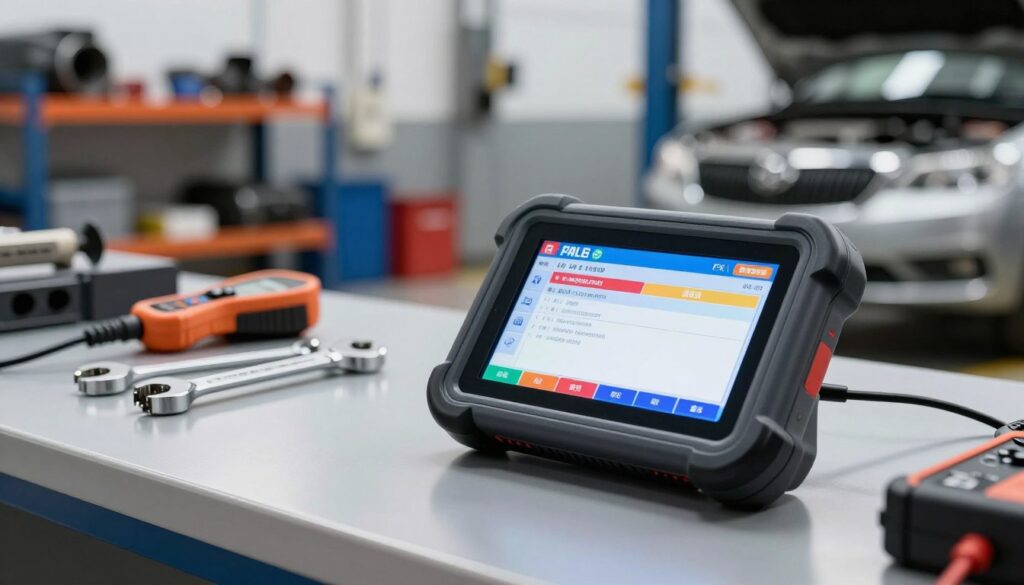
First, decide if you need a basic device or a professional OBD2 scanner. If you’re new, a simple auto code reader with easy-to-understand definitions is best. Remember, to access your car’s computer, plug the scanner into the OBD-II port and turn the ignition on without starting the engine.
Your budget should match how often you plan to fix your car. While cheaper models are available, a more advanced vehicle code reader can save you money on mechanic visits. Choose features that fit your long-term car care goals.
Reading User Reviews
User feedback is a great way to check an OBD2 scanner‘s quality. Look for comments on ease of use, software stability, and updates. Many reviews mention compatibility with specific car models, helping you choose the right auto code reader for your vehicle.
Also, check reviews about customer support. A company that supports its product is worth the extra cost. Reliable feedback helps you avoid problems and choose a tool that works as promised.
Comparing Brands and Models
When comparing brands, look at the depth of data the vehicle code reader offers. Some brands focus on certain makes, while others work with most cars. Make a list of essential features, like live data streaming or ABS diagnostics, to help choose.
Lastly, think about the long-term value of the car code reader you pick. A top-notch device with regular updates will last for years. By considering these points, you can confidently pick a tool that lets you maintain your car with professional-level precision.
Best Car Code Readers of 2026
Finding the right diagnostic tool in 2026 is key. You need to know what your car needs. We’ve picked the top tools to help you keep your car in top shape.
Top-Rated Models Overview
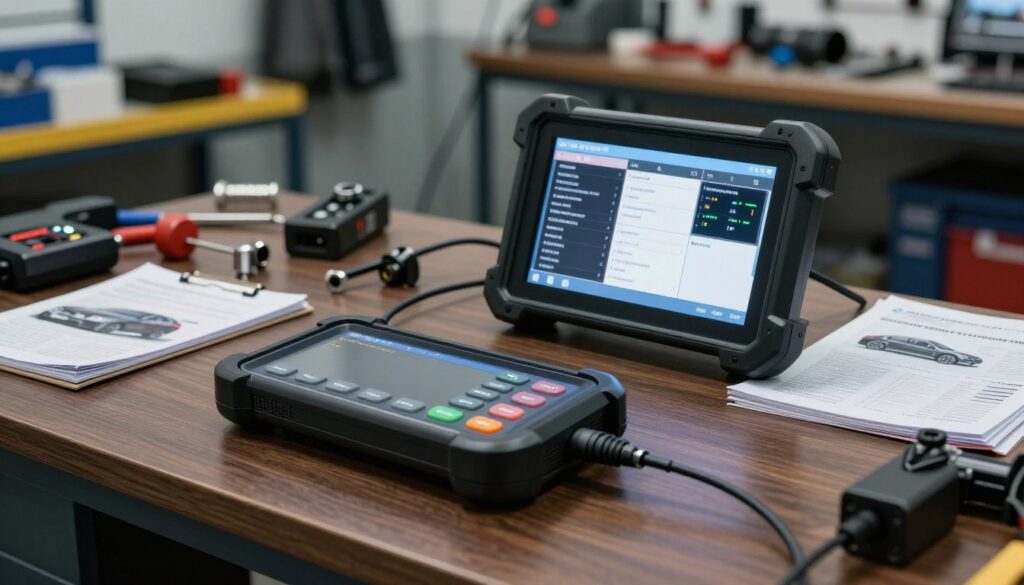
The VDIAGTOOL VD10 is great for beginners. It’s an engine code reader that’s easy on the wallet. It helps clear check engine lights and checks basic sensor data.
The XTOOL D8S is for the pros. It’s a car diagnostic tool with advanced features. It does ECU coding and full-system diagnostics, giving you control over your car’s electronics.
Comparison Table of Features
| Model | Primary Use | Advanced Features | Price Tier |
|---|---|---|---|
| VDIAGTOOL VD10 | Basic Diagnostics | Standard OBD2 Codes | Under $50 |
| XTOOL D8S | Professional Repair | ECU Coding/Bi-Directional | Premium |
| Mid-Range Scanner | General Maintenance | Live Data Streaming | $150 – $300 |
Price Ranges and Value
Choosing a car diagnostic scanner means finding the right balance. A basic vehicle code reader is under $50. It’s perfect for simple tasks.
For a top-notch OBD2 scanner, you’ll spend more. Look for features like bi-directional control. The right car diagnostic tool saves you money and time at the repair shop.
Whether you pick a simple engine code reader or a full vehicle code reader, the right OBD2 scanner is key. Make sure it fits your car before you buy.
How to Use a Car Code Reader Effectively
Every car owner should feel confident when using their car diagnostic scanner to check for engine issues. Learning how to use your device helps you find problems early, saving you money on repairs. Whether you’re new to DIY car work or experienced, following a clear guide ensures you get accurate data.

Step-by-Step Guide
First, find the OBD2 port in your car. It’s usually under the dashboard on the driver’s side. Plug in your OBD2 scanner with the ignition off. Then, turn the ignition to “on” without starting the engine to power it up.
Next, follow the on-screen instructions to pick your car’s make and model if needed. Your car diagnostic tool will start scanning for codes. After scanning, it will show any codes that need your attention.
Common Mistakes to Avoid
Don’t clear codes without fixing the problem. Resetting the light doesn’t solve the issue, and the warning will come back. Always fix the root cause, like checking your car battery near me for voltage issues, before clearing codes.
Also, don’t ignore live data from your engine code reader. Trouble codes are just the start. Live data shows how sensors are working in real-time. Never rush the diagnostic process, as it often uncovers faults that simple codes miss.
Interpreting Diagnostic Trouble Codes
A check engine light can be caused by something simple, like an unplugged mass-air-flow sensor. A good car code reader can spot this in seconds. When you see a code, look up its meaning in your car’s manual or online.
Remember, a code is just a symptom, not the full diagnosis. For example, a lean fuel mixture code might mean a vacuum leak, not a faulty sensor. Using your car code reader as a tool, not the final answer, helps you care for your car better.
Maintenance Tips for Your Car Code Reader
A well-maintained car code reader is a key tool for DIY mechanics. By taking care of it, you make sure it stays a dependable asset for years. It’s worth a little time each day to keep it in top shape.
Regular Updates and Upgrades
Car technology changes fast, and so do your tools. Scanners that can’t be updated will soon be out of date. Always look for updates from the manufacturer.
Visit the maker’s website twice a year for software updates. Keeping your auto code reader current means better results and compatibility with new cars.
“An investment in knowledge pays the best interest, and the same applies to the tools you use to maintain your vehicle’s health.”
Proper Storage and Handling
Protect your tools from the elements to keep them working well. Store your OBD2 scanner in a cool, dry spot. Use a padded case to avoid damage.
Don’t expose your device to extreme temperatures. Keep the cable straight and avoid heavy pressure to prevent damage.
Troubleshooting Common Issues
Even the best tools can have problems sometimes. If your car code reader won’t connect, check the pins for dirt or corrosion.
Make sure the ignition is set right. Many systems need the engine off but power on. If it’s not working, try restarting or checking the fuse box. Simple steps can fix most issues quickly.
Understanding Diagnostic Trouble Codes (DTCs)
Modern cars use a complex system of codes to talk to us. When you use a car diagnostic tool, you’re decoding these messages. This lets you fix your car with confidence and precision.
Common Codes and What They Mean
DTCs are five-character codes that show where a problem is. The first letter tells you which part of the car is affected. P means Powertrain, B is Body, C is Chassis, and N is Network.
An automotive scanner shows these codes to help find the problem. For example, a “P” code usually means something’s wrong with the engine or transmission. A good diagnostic code reader gives you the right info, not just guesses.
“Knowledge is the most powerful tool in any mechanic’s garage, turning complex electronic signals into simple solutions for every driver.”
Resources for Decoding DTCs
After getting a code from your car diagnostic scanner, you need to understand it. Many car makers have online databases for this. You can also use mobile apps to decode codes right away.
It’s smart to check your car’s service manual too. This makes sure the info from your engine code reader fits your car’s specific needs.
When to Seek Professional Help
While a car diagnostic tool is great for regular checks, some problems need a pro. If your automotive scanner finds serious electrical or transmission issues, see a mechanic. Safety should always be your top priority when dealing with complex systems.
If clearing a code doesn’t fix the problem, or if the light comes back on, don’t ignore it. A pro diagnostic code reader can do tests a regular car diagnostic scanner can’t. Getting help when you’re unsure protects your car and saves money in the long run.
Frequently Asked Questions About Car Code Readers
Learning about vehicle diagnostics lets you manage your car’s maintenance better. We answer common questions to help you use your tools confidently on the road.
How Accurate Are Car Code Readers?
An OBD2 scanner gives you precise data from your car’s computer. Its accuracy depends on your car’s sensors. You get reliable info to quickly find mechanical issues.
Can I Use a Code Reader on Any Vehicle?
Most cars made after 1996 work with standard auto code readers. But, some luxury brands need special software. Always check if your car is compatible before buying a device.
What Should I Do After a Code is Cleared?
Clearing a code doesn’t always solve the problem. You might need to drive a few miles to reset monitors. This is key for passing emissions tests. A good car code reader tracks these monitors until your car is ready.
Choosing the right tool saves you time and money. We hope this guide makes maintaining your car easier and more precise for years.
FAQ
How accurate are car code readers in 2026?
Modern car code readers are very accurate. They get data straight from the vehicle’s computer. But, if a sensor is faulty, the scanner will show that too.
Can I use a car diagnostic tool on any vehicle?
Most car code readers work on all U.S. cars and light trucks from 1996 to 2026. But, heavy-duty trucks and electric vehicles might need special tools.
What should I do after a code is cleared with an engine code reader?
After clearing a code, drive the car for a “drive cycle.” This is key for passing emissions tests. The scanner will show monitors as “Incomplete” until the data is verified.
Is there a difference between a vehicle code reader and a professional scan tool?
Yes. Basic code readers just read and clear engine codes. Professional tools, like the XTOOL D8S, do more. They test, code, and access other modules like Airbag and ABS.
Can a car diagnostic scanner fix the actual mechanical problem?
No, scanners diagnose, not repair. They find problems, like a bad O2 sensor. But, we must fix or replace the part ourselves to keep the light off.

I’m Moheen Iftikhar, founder of «CarRocketi». Driven by a passion for automotive innovation, I share insights on car trends, advanced technology, driving tips, and expert reviews to keep enthusiasts informed, inspired, and ahead of the curve.