

What to Do After a Car Accident in the United States
Being in a sudden car wreck can feel overwhelming. Your adrenaline goes up, making it hard to think straight. But, staying calm is key to keep yourself safe and protect your rights.
Dealing with the aftermath of a traumatic event is tough. By following a plan, you can handle it with confidence. Whether you’re in a busy car city or a quiet road, being prepared is your best defense.
We aim to guide you through any unexpected traffic incident. Knowing what to do after a car accident helps you stay in control. You’ll be ready to deal with insurance companies and authorities.
Key Takeaways
- Prioritize your physical safety and move to a secure location immediately.
- Check all passengers for injuries and call emergency services if necessary.
- Document the scene thoroughly by taking photos of vehicle damage and road conditions.
- Exchange insurance and contact information with the other driver involved.
- Notify your insurance provider promptly to begin the claims process.
- Consult with legal professionals if you face complex liability issues.
Stay Calm and Assess the Situation
The seconds after a crash are key for your safety. A car accident can be scary, but taking a deep breath helps. Staying calm lets you make smart choices to keep you and your passengers safe.
Check for Injuries
First, check yourself for pain, bleeding, or dizziness. This could mean a serious injury. Then, check your passengers to make sure they’re okay.
If someone is hurt, follow these steps:
- Avoid moving anyone with neck or back pain unless it’s an emergency.
- Keep everyone inside if it’s safe until help arrives.
- Watch how everyone is breathing and if they’re awake.
Move to Safety if Possible
If your car is okay and the damage is small, try to move it. This helps avoid another car wreck. If you can’t move it, stay inside with your seatbelt on and turn on your hazard lights.
Your safety is more important than your car. If you’re on a busy road or a dangerous spot, staying visible is key. Move to the shoulder or a parking lot to make it safer for everyone.
Call Emergency Services
It’s important to call authorities right away after a motor vehicle accident. Even if it seems minor, reporting it helps create a record. This record is key when dealing with insurance claims later.

When to Call 911
Call 911 if anyone is hurt or in pain after a car accident. Dispatchers can decide if paramedics are needed. Also, call the police if cars block traffic or if damage is a safety risk.
In some places, police might not come for small crashes with no injuries. But, try to report it to them. If they can’t, go to the police station later to file a report yourself.
Providing Essential Information
Stay calm and give clear details when you call the dispatcher. Use Crash Detection on your phone to help find you. Tell them how many cars were involved and if there are hazards like leaking fuel.
| Action Item | Priority Level | Reasoning |
|---|---|---|
| Check for injuries | Critical | Immediate medical triage |
| Call 911 | High | Official documentation |
| Provide location | High | Rapid responder arrival |
| Describe hazards | Medium | Safety of the scene |
Accuracy is key when talking to authorities. Don’t guess who was at fault. Just report what you saw. This helps responders and protects your rights.
Exchange Information with Other Parties
When you’re in a collision, getting the right info from the other driver is key for your insurance claim. This helps your insurance process your auto accident claim quickly. By doing this right away, you protect your rights and interests.
What to Collect from Other Drivers
To support your case, you need to get specific details from everyone involved. If you’re not sure what to do, check out this guide on information exchange after accident. Accuracy is very important when you write down these details. A small mistake can make your claim harder later.
Here’s what you should get from the other driver:
- Full legal name and contact info.
- Insurance company name and policy number.
- Driver’s license number and state of issue.
- Vehicle make, model, color, and license plate number.
Importance of Witness Information
Witnesses are very important in proving what happened in a motor vehicle accident. If there are witnesses, ask for their names and phone numbers before they leave. Their view of what happened can be very helpful if your insurance needs to check the facts.
Don’t just rely on your memory or the other driver’s story. A motor vehicle accident can be very stressful. Having witness statements helps make things clear. By getting this info, you build a strong base for your auto accident claim, no matter what happens next.
Document the Accident Scene
Being in a motor vehicle accident can be stressful. The first few minutes are critical. Gathering evidence right away helps protect you from future disputes or fraud. Being thorough now can save you a lot of stress later.
Taking Photographs
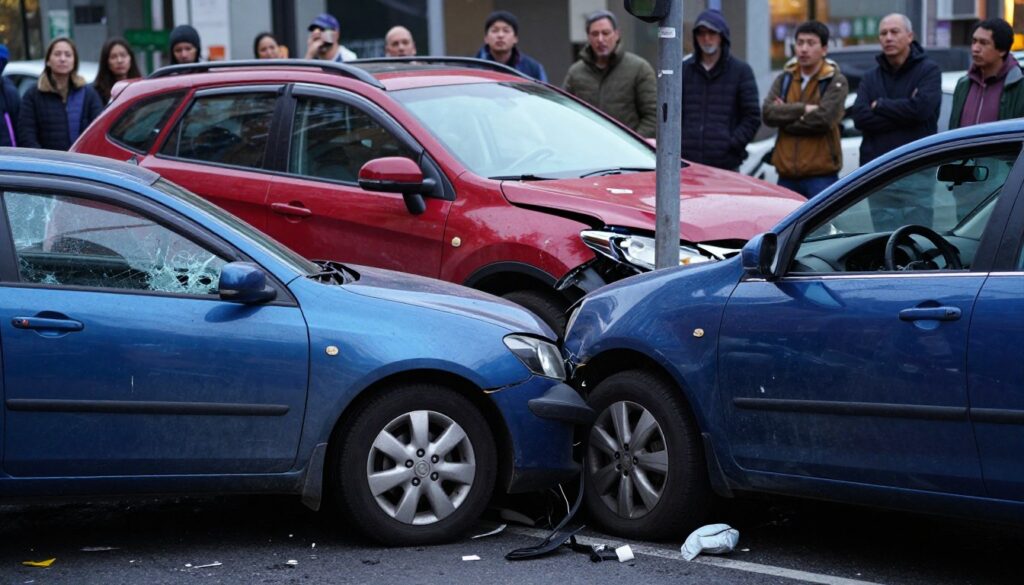
Visual evidence is key when documenting an auto accident. Take wide-angle shots to show all vehicles involved. Also, capture close-up photos of any damage to your car and the other’s.
Don’t forget to photograph debris, skid marks, or damaged property like guardrails. These images are important if the other driver changes their story. Clear, high-quality photos can help decide who was at fault.
Writing Down Important Details
Record environmental factors that could affect your auto accident claim. Note the time of day, weather, and road conditions. Also, document any traffic signals or road obstructions.
Keep a written log of your observations while they’re fresh. This info is key for your insurance adjuster. Consistent documentation builds credibility and helps resolve your case smoothly.
Report the Accident to Your Insurance Company
After an auto accident, it’s important to talk to your insurer right away. This starts the recovery process and keeps you in line with your policy.
In the U.S., most insurance companies have different ways to start a claim. Acting fast lets adjusters start their work while the details are fresh.

How to File a Claim
You can file a claim through your insurer’s app, website, or by calling their claims hotline. Many companies offer 24/7 support to help you right after an accident.
When you call, have your policy number and a quick summary of what happened ready. The person you talk to will walk you through what you need to do next.
Information Your Insurer Will Need
To look into your auto accident, your insurance will ask for certain documents. Having these ready can make your claim process faster.
Be prepared to share:
- The date, time, and exact location of the incident.
- A copy of the official police report or the case number.
- Contact details for all drivers and witnesses involved.
- Photographic evidence of vehicle damage and the scene.
The table below shows how to submit your claim and how long it might take for your insurance to respond.
| Submission Method | Speed of Filing | Ease of Use |
|---|---|---|
| Mobile App | Immediate | High |
| Online Portal | Fast | Medium |
| Phone Call | Moderate | High |
| Agent Visit | Slow | Low |
Understand the Legal Process
After a traffic collision, knowing the legal steps is key to protect your future. Simple cases might just need insurance talks. But, more complex ones need a good understanding of who’s at fault and local laws. For more info on the legal process in Indiana, check out these resources.
When to Consult an Attorney
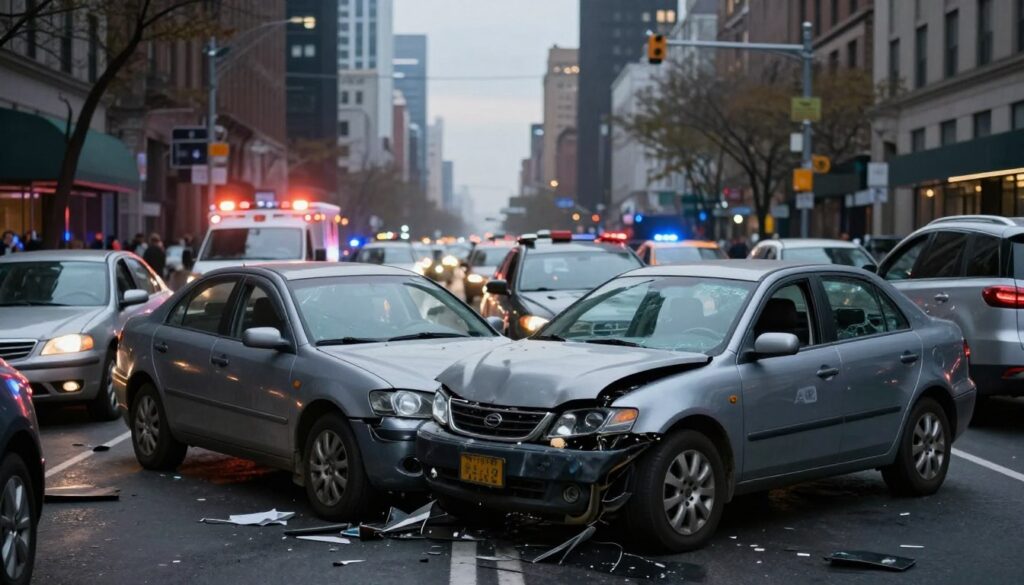
If your traffic collision caused big damage or hurt, get a lawyer. They know how to deal with insurance and protect your rights. If you’re not sure who’s to blame, a lawyer can help figure it out.
Also, if the other side disputes what happened, you really need a lawyer. They can collect evidence and talk to insurance people for you. Remember, fixing your car is important, but so is your legal health.
Types of Compensation You Might Seek
After a traffic collision, you might get different kinds of compensation. These help you get back on your feet financially. You could get money for medical bills, rehab, and lost wages if you can’t work.
You might also get money for pain and suffering or future care needs. Keep track of all your expenses well. This helps make your claim stronger. Here’s a table showing common compensation areas.
| Category | Description | Documentation Needed |
|---|---|---|
| Medical Bills | Costs for emergency care and follow-ups | Hospital invoices and receipts |
| Lost Income | Wages missed during recovery | Employer verification letters |
| Property Damage | Repair costs for your vehicle | Repair estimates and photos |
| Pain and Suffering | Non-economic impact of the incident | Medical journals and expert testimony |
Know Your Rights as a Driver
Being in a traffic collision can be scary. But, it’s important to stay calm and professional. This helps protect your rights. Try not to say anything that might seem like you’re admitting fault.
Understanding Fault in an Accident
Many people think they need to figure out who was at fault right away. But, it’s actually the job of experts to decide this. Never apologize or accept blame because these can hurt your case later.
You must also have proof of insurance with you. This is the law in many places. Give this info to the other driver and the police after a traffic collision.
Importance of Police Reports
A police report is a key piece of evidence. It’s made by someone who wasn’t involved in the accident. This report is very important when insurance companies decide who’s at fault.
When talking to the police, just tell them what happened. Don’t guess about the other driver’s actions. Having a clear, written account helps avoid misunderstandings later on.
Handling Injuries and Medical Needs
Even if you feel fine after a car crash, your body may be hiding serious injuries. Adrenaline can mask pain, making it hard to notice symptoms that could get worse. Prioritizing your health is the most important thing to do right after an accident.
Seeking Medical Attention
Always get a professional medical check-up as soon as you can. Doctors can find hidden injuries like concussions or internal bleeding. These might not show symptoms for days or weeks. Early diagnosis is key for your recovery and long-term health.
When you see a doctor, tell them everything about the accident. Even small pains should be mentioned. These details are important for your medical history related to the car crash. It’s important to follow your doctor’s treatment plan closely.
Keeping Track of Medical Records
Keeping an organized file of your medical history is important for injury claims. Insurance companies need clear proof of your condition and treatments. We suggest keeping a folder or digital file for all your medical documents.
To stay organized, make sure you collect and store the following:
- Copies of all emergency room reports and diagnostic test results.
- Detailed invoices and receipts for every medical visit or procedure.
- Prescription records and pharmacy receipts for medications.
- Notes about your pain levels and daily limitations caused by the car crash.
Consistency is key when managing these records. By keeping detailed records, you protect your rights and ensure your medical needs are met during the claims process.
Dealing with Car Repairs
Handling car repairs after a car crash is key. First, focus on your health. Then, fix your car to its original state. Take a careful approach to ensure the repairs are done right.
Choosing the Right Repair Shop
Finding a trusted repair shop is important. Look for places that are certified by big names or have industry awards. Your insurance might suggest some, but you can pick your own.
Ask people you know for advice and check online reviews. A good shop will be clear about when they can fix your car. They should also offer a warranty on their work. Choosing a shop that knows your car’s make can help a lot after a car crash.
Understanding Estimates and Costs
It’s important to look over the repair estimate from your insurance. This shows what work needs to be done and how much it will cost. Make sure to compare this with the estimate from your chosen repair shop.
Technicians might find hidden damages when they start working on your car. If this happens, the shop needs to tell your insurance about it. This way, you won’t face surprise costs after your car crash.
Follow Up with Your Insurance Adjuster
After a road accident, managing your claim is key for a fair outcome. Once you submit your report, an adjuster is assigned to assess damages and decide on a settlement.
What to Expect in the Claims Process
The investigation phase is where the adjuster checks the evidence. They look at the road accident details, vehicle damage, and medical reports if there were injuries.
Here are the steps you can expect:
- Checking if your policy covers the accident.
- Determining who was at fault based on reports and witness statements.
- Looking at repair estimates from approved shops.
- Making a final settlement offer.
If these steps seem too much, you can look at the California Department of Insurance guide for help. If your car is totaled, you might consider selling it to make things easier.
Tips for a Smooth Communication
It’s important to talk to your adjuster professionally and clearly. Keep a detailed log of all conversations, including dates, times, and the adjuster’s name.
Here are some tips to keep your claim moving smoothly:
- Be prompt: Answer requests quickly.
- Stay organized: Keep all documents in one place.
- Be clear: Ask for explanations if you don’t understand something.
- Follow up: If you don’t hear back, send a polite email asking for an update.
Being proactive helps the adjuster handle your road accident claim better. Clear communication is your best ally during this time.
Learn from the Experience
Dealing with a road incident is a chance to get better at driving. We think learning from a stressful car crash can make you a safer driver. It helps everyone on the road.
Having a safety kit and important documents in your glove box is smart. It prepares you for emergencies. Being ready reduces stress when something unexpected happens.
Importance of Safe Driving Practices
Defensive driving keeps you and your passengers safe. Always keep a safe distance from other cars and watch their moves. Making small changes in your driving can greatly reduce risks.
Resources for Defensive Driving Education
There are many programs to improve your road safety skills. The National Safety Council offers great courses. They teach you to spot dangers before they happen. Learning from these resources makes you a more confident and careful driver.
FAQ
What is the very first thing I should do after a car accident?
First, check for injuries and make sure everyone is safe. If someone is hurt, call 911 right away for medical help.
How do I handle a minor car wreck on a busy highway?
For minor accidents where cars can move, get them to the side of the road. This prevents more accidents and keeps traffic moving.
What specific information is needed for a motor vehicle accident report?
You’ll need the names, contact info, and insurance details of all drivers. Also, note the license plate numbers of the cars involved.
Should I take photos after a road accident?
Yes, take detailed photos with your phone. Capture the damage, where the cars are, and the area. These photos prove what happened.
Can I choose my own repair shop after a car crash?
Absolutely. You can choose a trusted shop like Caliber Collision or your local dealership for safe repairs.
Why is it important to see a doctor after a vehicle collision even if I feel fine?
Injuries from a crash, like internal bruising or whiplash, might not show right away. Visit a doctor like Kaiser Permanente to check for hidden injuries.
What should I avoid saying to the other driver at the scene of a traffic collision?
Don’t admit fault or apologize. Liability is decided by insurance and police, not by what you say at the scene.
How can a police report help my car wreck claim?
A police report gives a third-party account of the accident. It’s key evidence for insurance companies like Allstate to figure out who’s at fault.

I’m Moheen Iftikhar, founder of «CarRocketi». Driven by a passion for automotive innovation, I share insights on car trends, advanced technology, driving tips, and expert reviews to keep enthusiasts informed, inspired, and ahead of the curve.