


Discover the Intensity Behind Every Car Chase With Us
We invite you to explore the world of high-speed car chases. A car chase is when one car follows another on land. These scenes mix technical skill with deep human emotions, making them exciting.
We dive into what makes a heart-pounding car chase so popular in movies. We look at how safety, excitement, and storytelling come together. By studying film history, we see why these scenes keep audiences hooked.
Key Takeaways
- Vehicular pursuits involve at least one automobile in a high-speed environment.
- Modern films balance safety protocols with the need for visual spectacle.
- Storytelling remains the core driver of audience engagement during action scenes.
- Technical precision is required to maintain realism in high-speed filming.
- Cultural impact stems from the psychological tension built during these sequences.
The Thrill of the Chase: What Makes It Exciting?
The thrill of a high-stakes chase comes from a mix of controlled chaos and adrenaline. Watching cars push their limits is both thrilling and a bit scary. This intense car chase experience is a big reason why action fans love it.
The Elements of Tension
Tension in a chase isn’t just about speed. It’s about the risks involved. Filmmakers put us right in the action with car chase cinematography. Every close call and sharp turn feels like it’s happening to us.
The best scenes use silence or music to make the danger feel real. When the music stops, the sound of tires and engines is all we hear. This makes us feel the imminent danger the characters face.
The Role of Speed and Agility
A great car chase needs more than just speed. It needs a car that can handle tight spots and surprises well. We love seeing how directors show off the car’s agility.
Seeing a big truck and a small sports car adds to the excitement. This contrast shows the driver’s skill. It turns a simple drive into a high-stakes game of cat and mouse that keeps us on the edge of our seats.
How Stunt Drivers Create Realism
Every intense car chase has a team of skilled stunt drivers. They do stunts that seem impossible, making the action look real. Their skill at high speeds makes the car chase feel real.
It’s impressive how they do these complex scenes without relying on CGI. Real movement in car chase cinematography gives a feel that CGI can’t match. Their dedication to practical performance sets the standard for the genre.
Historical Perspectives on Car Chases in Film
Directors have turned driving into an art form. We see a big change from simple camera setups to sophisticated sequences in today’s movies. This change shows our growing love for speed and the film industry’s tech growth.
Iconic Chase Scenes Through the Decades
The 1968 film Bullitt is seen as the first modern car chase movie. It set a high bar for realism that many films aim for today. Over the years, some moments have really shaped the genre:
- The French Connection (1971): Introduced a gritty, urban driving style.
- The Blues Brothers (1980): Showcased chaos and comedy.
- Ronin (1998): Perfected authentic, high-speed street maneuvers.
Evolution of Filmmaking Techniques
Early filmmakers used rear-projection, which lacked real motion’s impact. As car chase cinematography got better, cameras were mounted on vehicles. This let audiences feel the speed and weight of the cars in a new way.
Now, we use advanced rigs and stabilized cameras for clear shots during fast scenes. These tools help keep every turn and drift sharp, even at high speeds. For those who love the thrill, trying a car game can be just as exciting.
Influential Directors Who Shaped the Genre
Certain directors have mastered the intense car chase. They see a chase as a way to tell a story, not just about speed. They plan every shot to keep the audience on the edge of their seats.
These directors have inspired today’s filmmakers to push what’s possible on screen. We learn from them how an intense car chase can be the heart of a film. Their work has made the chase a timeless part of movies.
Techniques Used in Car Chases
Every thrilling chase scene is crafted with a mix of real action and digital magic. The goal is to make the scene feel real and exciting. This mix of real and digital elements makes the chase believable and thrilling.
Camera Angles That Enhance the Experience
The look of an intense car chase comes from where the cameras are placed. Cameras placed low or on the car give a feeling of being right there. This makes the chase feel like a real, high-stakes event.
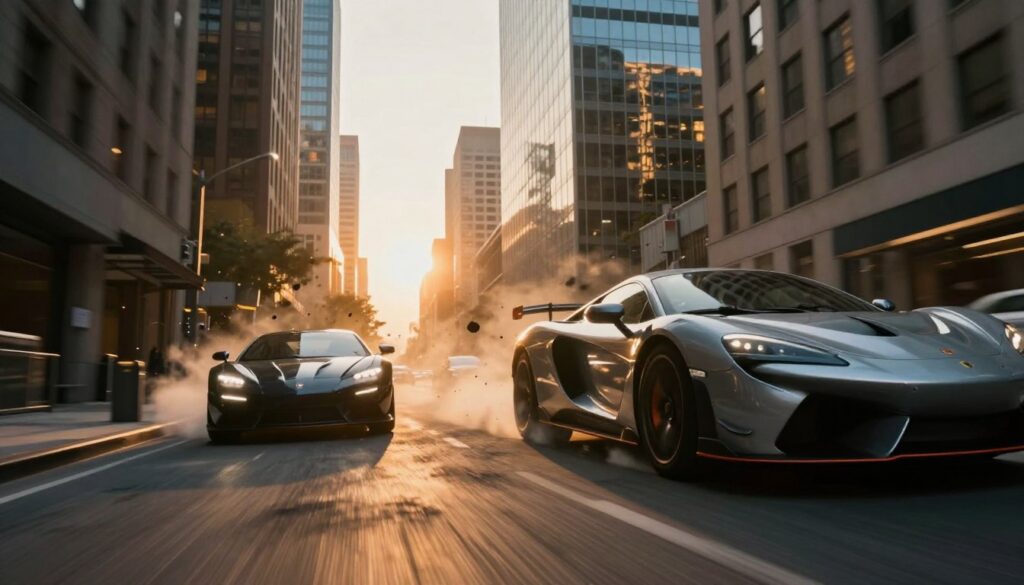
Wide shots show the chase area, while close, shaky shots add tension. Mixing these shots creates a rhythm that feels like a real chase. Learning about technology-pursuit-management helps us see the skill behind the scenes.
The Importance of Sound Design
Sound is key to feeling the chase. The engine roar, tire screech, and metal crunch bring the scene to life. Without great sound, even the best visuals feel empty.
“Sound is fifty percent of the experience in a motion picture, and in an action sequence, it is the heartbeat of the scene.”
Practical Effects vs. CGI
The choice between real stunts and CGI is a big debate in movies. Real stunts add a feel and weight that CGI can’t match. For example, Furious 7 used CGI for just 10% of its action to keep it real.
Choosing real stunts makes the action movie chase feel more real. This focus on real action makes the chase more impactful. The best car chase cinematography is grounded in reality.
The Psychology Behind the Car Chase
Our love for car chases is more than just a love for cars. It’s a deep-seated biological response. We are naturally drawn to the tension and the thrill of the unknown. This explains why we’re captivated by the high-stakes environment of a chase.
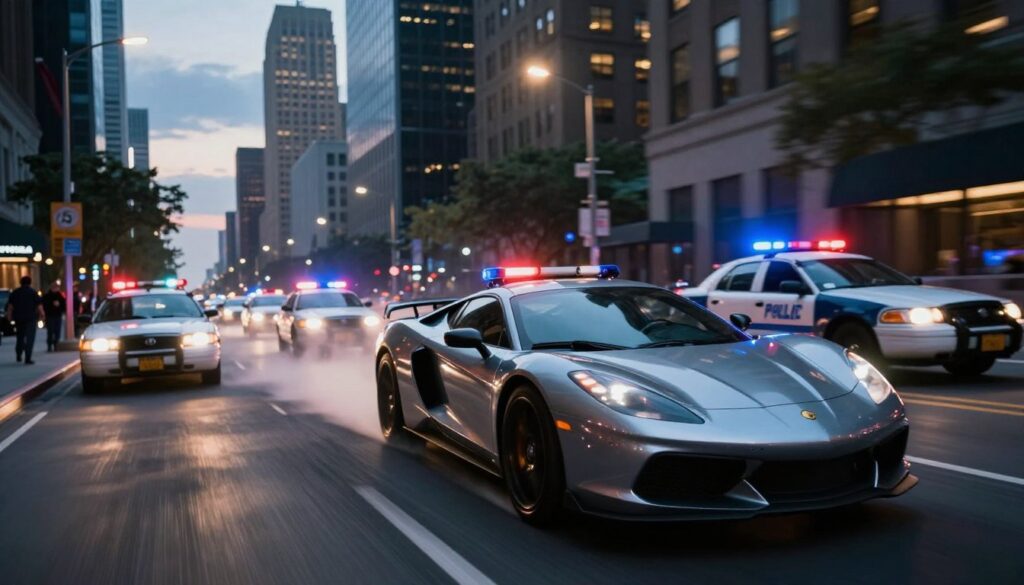
Why Audiences Are Drawn to Action
The appeal of an action movie chase is in its ability to simulate danger safely. This controlled risk lets us feel excitement without harm. The public’s appetite for this intensity is huge, shown by media trends.
In 2003, KCAL in Los Angeles saw ratings quadruple when police pursuits were aired live. This shows our collective obsession with real-time high-stakes drama. We’re wired to focus when the stakes are high and the outcome is uncertain.
The Adrenaline Rush Explained
Watching an adrenaline-fueled chase makes our bodies react like the characters on screen. This triggers hormone release, making our senses sharper. We feel a real energy boost as speed increases and obstacles appear.
This visceral experience is why we keep coming back. Our brains see the visual cues of a high-speed chase as a threat, even if it’s staged. Engaging with this intensity satisfies our primal need for excitement.
Relating to Characters on the Run
We form a deep emotional bond with characters in an adrenaline-fueled chase. We often see ourselves in their desire for freedom or justice. This connection makes their success or failure feel personal to us.
Whether cheering for the hero in an action movie chase or just watching, our empathy drives the story. We want to see how they handle the pressure and if they can beat the odds. This emotional connection turns a simple chase into a memorable moment.
Famous Real-Life Car Chases
When a high-speed pursuit happens on public roads, it’s very dangerous. Unlike movies, real-life chases can lead to tragic results. In the U.S., between 300 and 400 people die each year in chases.
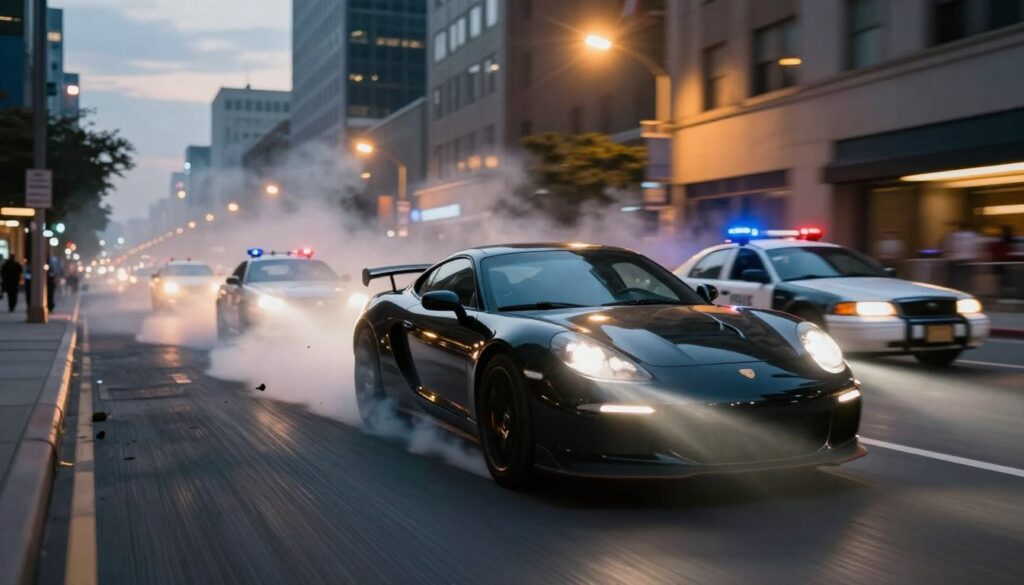
Key Events That Captured National Attention
Some chases have become famous in America. The 1994 O.J. Simpson chase is a prime example. It showed how a slow chase can grab everyone’s attention.
These events mix news with entertainment. They remind us of the dangers to bystanders. The intensity of these moments makes us think about the ethics of live police coverage.
Law Enforcement Response Tactics
Police have changed how they handle chases. Now, they focus more on safety than catching the suspect right away. They use risk assessments to decide if a chase is safe.
Officers are trained to use special tactics only when it’s safe. They aim to keep the chase short and controlled. This includes using planes and ground units to track suspects without risking lives.
The Impact on Public Perception
The adrenaline-fueled chase is a big part of today’s media. Seeing these chases often makes us forget the real dangers. We need to remember that what looks exciting on TV is actually very dangerous.
| Feature | Cinematic Chase | Real-Life Pursuit |
|---|---|---|
| Safety Measures | Stunt professionals | Unpredictable risks |
| Outcome | Scripted resolution | Potential for tragedy |
| Public Impact | Entertainment value | Community danger |
How we watch these stories affects our view of law enforcement. By looking closely at these events, we can understand the need for caution. It’s important to see the difference between movie chases and real-life dangers.
Safety Measures in High-Speed Scenes
Creating an adrenaline-fueled chase is more than just fast cars and skilled drivers. It needs strict safety rules. We think the best movie moments happen when everyone is safe, thanks to these rules.
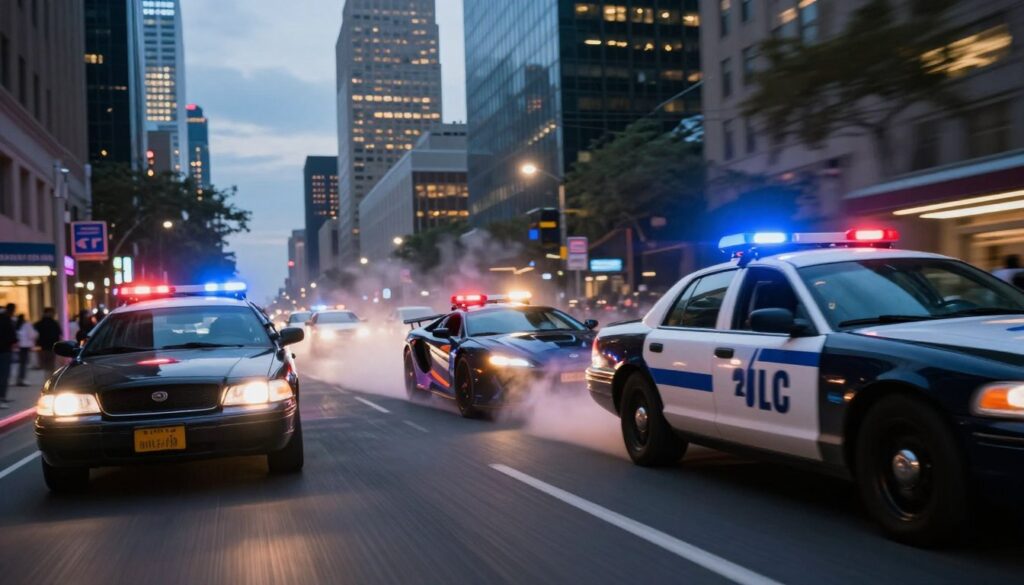
Industry Standards for Stunt Safety
Film sets follow strict rules for high-speed pursuits. Stunt coordinators do detailed checks before filming starts.
They look at the terrain, weather, and car performance to avoid risks. By following safety guides, teams can make exciting scenes safely.
Training for Professional Drivers
Driving fast is a skill that takes years to learn. Stunt drivers train hard to control cars well. They learn how cars move, so they can do cool stunts.
Also, cars are made special for these scenes. They use car accessories to perform better and stay safe. Good maintenance and special tools help in every stunt.
Emergency Protocols on Set
Being ready for emergencies is key. We have clear communication and medical help ready for any situation during an adrenaline-fueled chase.
“The police may terminate a high-speed pursuit if it poses an unreasonable risk to the public, even if it means letting a suspect escape.”
This rule shows the importance of safety in law enforcement. On a film set, we also know when to stop for safety. By following official safety guidelines, we keep everyone safe during intense scenes. This way, the excitement of the chase doesn’t risk anyone’s life.
The Role of Technology in Modern Car Chases
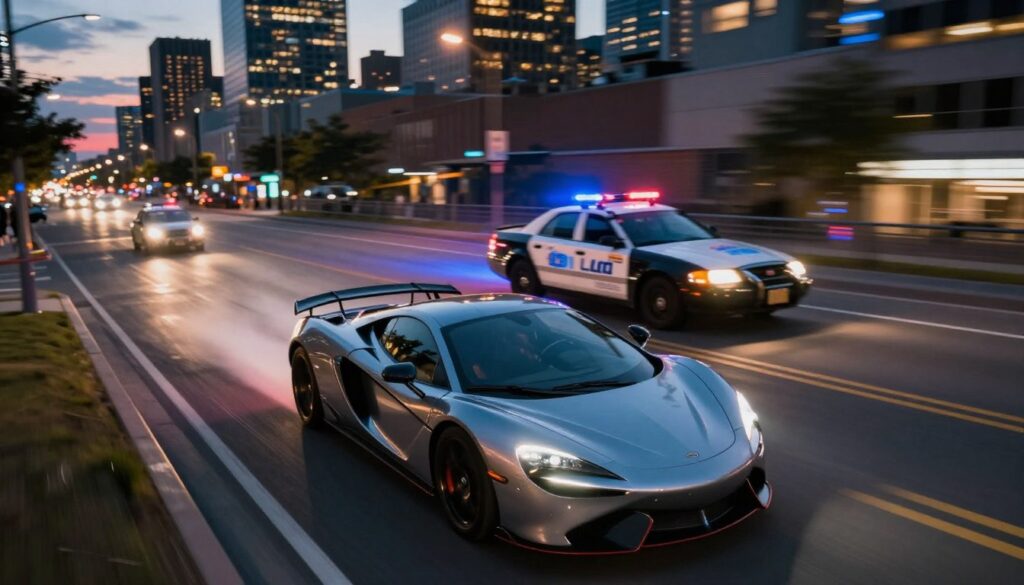
Modern engineering and advanced tracking systems have changed the classic chase. These innovations affect how police and filmmakers handle high-speed pursuit scenes. They focus on safety without losing the excitement viewers love.
Advances in Vehicle Engineering
Today’s cars have better handling and braking. This lets drivers control the car during fast moves. Engineers work on stability control and strong chassis designs for safe turns.
These upgrades make filming dramatic car chases more reliable.
GPS Tracking and Coordination
Police now use smarter methods instead of old, risky ones. They use StarChase GPS trackers to track cars from a safe distance. This way, they can follow without risking a dangerous chase in busy areas.
Drones and Aerial Filming Techniques
Drones have changed how car chases are filmed. They offer a unique view from above, adding excitement to scenes. Drones can follow cars through complex places with unmatched precision and style.
| Technology | Primary Benefit | Application |
|---|---|---|
| GPS Tracking | Increased Safety | Law Enforcement |
| Drone Cameras | Visual Immersion | Film Production |
| Vehicle Engineering | Enhanced Control | Stunt Performance |
Car Chases in Video Games
Interactive media has made car chases exciting for players. Unlike movies, games let us control the action. We get to steer during the most thrilling moments.
Replicating Film Techniques in Games
Game developers use movie tricks to create thrilling car chase scenes. They use dynamic camera angles to capture the excitement of fast-paced action. This makes games feel as intense as blockbuster films.
Sound design is key to feeling the rush. The sound of engines and tires screeching adds to the danger and speed.
The Rise of Realistic Racing Simulations
Modern games focus on realistic physics. They require players to be precise. We must consider weight, tire grip, and road conditions during a dramatic car chase.
This realism makes every turn feel rewarding. Successfully navigating a tight corner while being chased is incredibly satisfying. It’s more fulfilling than watching a pre-rendered scene.
Notable Games Featuring Epic Chases
The history of car chase games is filled with innovation. Early games like Bally Midway’s Spy Hunter (1983) introduced vehicles with weapons. This allowed players to fight back against their pursuers.
Today, open-world games take it further. They include complex AI traffic and destructible environments. These games show that a dramatic car chase is best when players can choose their path.
Dodging obstacles or outsmarting rivals makes gaming’s thrilling car chase scenes unmatched. The interactive nature of games creates an experience unlike any other in modern entertainment.
The Cultural Impact of Car Chase Scenes
Car chase scenes have deeply influenced American society. They show our values, fears, and dreams. Watching a thrilling car chase scene is like seeing our desire for freedom and control.
How They Influence Fashion and Lifestyle
The look of the getaway driver has shaped fashion. From leather jackets in old movies to modern tactical gear, dramatic car chase scenes have set trends. Designers use these scenes to create clothes that are both dangerous and stylish.
These scenes also shape how we see our cars. Many fans want to make their cars like the ones in movies. This has made certain cars symbols of coolness.
The Connection to American Freedom and Identity
In the U.S., cars symbolize freedom. A dramatic car chase shows this by making the road the hero’s only way to freedom. This bond is so strong that real events become part of our shared history.
“The car chase is the ultimate expression of the American road trip gone wrong, yet it remains a fundamental part of our cinematic DNA.”
The 1994 O.J. Simpson chase is a cultural moment that mixed reality with TV drama. It showed how a thrilling car chase scene can grab the nation’s attention. The white Ford Bronco became a symbol in American culture.
Merchandise and its Impact on the Car Culture
Action movies have created a huge market for merchandise. Fans buy models, clothes, and even driving experiences inspired by their favorite scenes. You can find the craziest car chase scenes in movies at the 50 craziest car chase scenes in movie.
This merchandise does more than make money; it builds a community. It’s clear in the car culture through:
- Increased demand for vintage cars in movies.
- Growth in stunt driving schools and workshops.
- The rise of digital groups for car scene analysis.
Analyzing Car Chase Sequences
Every car chase scene in movies is carefully planned. It involves timing, physics, and creativity. What looks chaotic on screen is actually a controlled setup. It aims to be impactful while keeping everyone safe.
Breakdown of Choreography and Planning
The heart of a thrilling car chase scene is in the planning. Teams plan out every move, from turns to jumps, before filming starts.
Studios use older cars to save money. These cars are made safe and fast for stunts. This way, drivers can perform without risking expensive modern cars.
Common Tropes and Their Effectiveness
Movies often use familiar scenes to keep viewers hooked. These scenes build tension and follow a known pattern.
- The Near Miss: Shows the driver’s skill and danger’s closeness.
- The Obstacle Course: Uses city streets for quick turns and car agility.
- The Multi-Vehicle Pileup: A big show of the chase’s peak.
Done right, these scenes make for a heart-pounding car chase that’s both exciting and fulfilling. Their success depends on fitting into the story well.
The Balance Between Reality and Spectacle
Directors aim to mix realism with the excitement viewers want. This balance is key to a great scene.
Viewers enjoy the thrill of a heart-pounding car chase. But they also like the real feel of cars. Making scenes feel real, even with digital help, makes them unforgettable.
The best action sequences are those where the audience can feel the weight of the metal and the tension of the driver behind the wheel.
The Future of Car Chases in Entertainment
Technology is changing how we see a cinematic chase sequence. Soon, digital and real worlds will mix more. Filmmakers are using new tools to make stories feel closer and more intense.
Emerging Trends in Storytelling
Today, stories focus more on characters than just action. Directors are exploring the emotional stakes of a chase. This makes the audience connect more with the story.
Stories are becoming more complex and engaging. We’ll see more twists and turns that keep us guessing. This makes the genre more than just action—it becomes art.
The Role of Electric and Autonomous Vehicles
Electric and self-driving cars bring new challenges and chances for creators. High-speed chases are common, like in Germany’s 1,164 chases in 2022. But, these cars are different.
Electric cars can move quickly and sharply. This lets stunt teams do more precise stunts. It’s a big change for how cars are used in movies.
What’s Next for Stunt Innovation
The future of stunts combines real and digital effects. We’ll see more drone shots and virtual sets. These tools allow for safer and new camera angles.
But, real stunts are also important. We’ll keep seeing stunts that use real physics. This mix keeps the heart-pounding car chase exciting for years.
Our Favorite Car Chase Movies of All Time
We think the best way to enjoy this genre is to watch the classics. These films show us what speed and danger look like on screen.
Timeless Masterpieces for Your Watchlist
The 1974 film Gone in 60 Seconds is a classic. It has a famous 40-minute chase with crashes and an airborne jump. Watching it with modern movies shows how the art has grown.
Looking Toward Future Spectacles
New movies are always pushing the limits with new tech and stunts. We watch for upcoming films that will change the chase scene for the next generation. They show that the love for fast driving is as strong as ever.
Recognizing the True Architects of Speed
We must thank the stunt drivers and coordinators for their work. They risk everything to make these scenes real. Their skill and courage turn a script into an exciting ride. This journey through the genre’s history and mechanics inspires us to see our favorite films in a new light.
FAQ
What defines a truly heart-pounding car chase in modern cinema?
A heart-pounding car chase combines speed with emotional stakes. It’s not just about the speed. It’s about the audience’s investment in the chase.
How has car chase cinematography changed?
Car chase cinematography has evolved from shaky cameras to ultra-stable rigs and drones. This brings the viewer into the chase, making it feel real.
Why is a high-speed pursuit so common in an action movie chase?
A high-speed pursuit is a visual metaphor for conflict. It adds pacing, movement, and a clear goal, making the story move fast.
What is the primary difference between a cinematic chase sequence and a real-world adrenaline-fueled chase?
A cinematic chase is choreographed for safety and visual impact. A real-life chase is unpredictable and dangerous, with serious consequences.
Can a thrilling car chase scene be achieved without the use of CGI?
Yes, practical effects make a chase feel more real. Movies like Mad Max: Fury Road show that real stunts are more intense than CGI.
How do filmmakers ensure safety during an intense car chase?
Safety is managed through planning, professional stunt drivers, and controlled environments. This ensures the chase is a controlled spectacle.

I’m Moheen Iftikhar, founder of «CarRocketi». Driven by a passion for automotive innovation, I share insights on car trends, advanced technology, driving tips, and expert reviews to keep enthusiasts informed, inspired, and ahead of the curve.