


Find Cheap Car Insurance and Save Big in the United States
Protecting your vehicle in the United States requires a smart financial strategy. We help you secure reliable coverage while keeping your monthly budget intact.
Finding cheap car insurance is a top priority for many responsible drivers. By comparing various discount car insurance options, you can significantly lower your annual expenses without sacrificing quality.
Our team provides the tools you need to obtain accurate cheap car insurance quotes quickly. If you are looking to upgrade your current ride, you might also consider how we buy any car services can simplify your transition to a new vehicle.
Key Takeaways
- Prioritize financial planning to secure better protection for your vehicle.
- Compare multiple providers to find the best rates available in your state.
- Utilize digital tools to streamline the process of gathering quotes.
- Understand how your driving history impacts your overall premium costs.
- Explore professional services when you are ready to sell or trade your current model.
Understanding Cheap Car Insurance
Getting insurance for your car doesn’t have to cost a lot. Many people look for cheap car insurance. But it’s important to know the difference between a low price and good value. A good policy is affordable and covers what you need to stay safe.
What Is Cheap Car Insurance?
Economical car insurance isn’t just the cheapest. It’s a policy that offers enough coverage at a good price. Look for discounts that don’t take away from the safety you need.
“The bitterness of poor quality remains long after the sweetness of low price is forgotten.”
When choosing, think about these key points:
- Comprehensive coverage that fits your car.
- Clear pricing without hidden costs.
- Good customer support when you need it.
Why Is It Important to Have Car Insurance?
Having insurance is more than a law in most places; it’s a critical financial safeguard. Without it, you could lose your assets if you’re at fault in an accident. An economical car insurance plan keeps you legal and protects your money.
Looking for cheap insurance means you care about your financial future. It’s not just about saving money. It’s about making sure a mistake doesn’t ruin your finances. See your premium as an investment in your future, not just another bill.
Factors That Affect Car Insurance Rates
Getting to know what affects your insurance bill is key to finding better rates. Insurance companies look at your unique risk profile to figure out how much you’ll pay. By understanding these factors, you can make choices that help you get affordable auto insurance for your family.
Your Driving Record
Your driving history is a big deal to insurers. They check your past for traffic violations, accidents, and claims. A clean record can lead to cheaper economical car insurance compared to one with tickets or accidents.
Type of Vehicle
The car you drive affects your costs more than you think. Cars like the Subaru Forester with high safety ratings might get you lower premiums. But, luxury or high-performance cars usually cost more to insure because of their expensive parts and higher theft rates.
Location and Its Impact
Where you park your car at night matters a lot for your rate. Insurers look at local crime, traffic, and weather to judge risk. Areas with bad weather or high theft rates will likely raise your yearly costs.
| Factor | Impact on Premium | Risk Level |
|---|---|---|
| Clean Driving Record | Lowers Cost | Minimal |
| High-Performance Vehicle | Increases Cost | High |
| Urban Residential Area | Increases Cost | Moderate |
| Safety-Rated Vehicle | Lowers Cost | Low |
How to Get Accurate Insurance Quotes
Lower premiums often come from how we get and use insurance quotes. By getting quotes from many sources, you can find affordable auto insurance that matches your budget and lifestyle. This way, you pay only what you need to for the right protection.

Online Quote Comparison Tools
Digital tools have changed how we look for insurance. They let you enter your info once and get cheap car insurance quotes from many providers right away. This efficiency saves a lot of time and helps you find the best rates without visiting each website.
Make sure your info is correct when using these tools. Many drivers find comparing these options shows them the real value of their policy. For more on how your location affects rates, check out the car city guides.
Speaking with Insurance Agents
Talking to a licensed agent offers a personalized touch that digital tools can’t match. An agent can find the most economical car insurance for you by spotting discounts you might miss. They’re great if you have a complex driving history or special vehicle needs.
Before calling, make a list of questions to get the most from your talk. Agents can explain the details of different coverage options and help you create a policy that’s both affordable and protective. Building a relationship with a professional agent can lead to better service and more tailored insurance plans over time.
Tips to Lower Your Car Insurance Premium
To get affordable auto insurance, you need to be proactive. Many drivers pay too much because they miss out on savings. By tweaking your coverage, you can save money without sacrificing quality.
Bundling Insurance Policies
One smart way to cut costs is to bundle your insurance. Many providers give big discounts when you combine policies. This is a key to finding affordable auto insurance in the U.S.

Taking Advantage of Discounts
Insurers offer many discounts for safe driving. Always ask your agent about specific programs for discount car insurance. For example, some offer savings based on your driving habits.
There are many other discounts too. You might get a break for good grades, a clean driving record, or safety features in your car. Check your policy every year to grab all the discount car insurance you can. Consistency is key for managing insurance costs over time.
The Importance of Shopping Around
Sticking with one insurance company can cost you more than you need to pay. Many people think long-term loyalty means lower rates. But today, that’s not always true. To find low-cost car coverage, you need to look at what other companies offer.

How to Compare Different Insurance Providers
Finding the right insurance doesn’t have to be hard. With a simple plan, you can find competitive car insurance rates that match your budget and needs.
- Start by looking at your current policy to know what you have.
- Use online tools to get quotes from many companies at once.
- Check the financial health of each company to make sure they’re stable.
- Look for special discounts that might apply to you, like for safe driving or being a student.
Optimal Times to Switch Insurance Companies
Timing is key to saving money. Don’t wait until your policy is up for renewal to look for a better deal.
The best time to shop around is during your policy renewal period, which is usually 30 to 45 days before it ends. Also, big life changes can make you a higher risk, so it’s a good time to look for new insurance.
Think about switching if you experience any of these:
- Moving to a new zip code or state.
- Getting married or adding a new driver to your household.
- Purchasing a new vehicle or paying off an existing car loan.
- Experiencing a significant change in your annual mileage.
By staying on top of your insurance, you can keep your low-cost car coverage all the time. Regularly checking your policy helps you avoid paying for coverage you don’t need.
Understanding Coverage Types
Choosing the right coverage is key for legal needs and peace of mind. It’s important to know what your policy covers before an accident happens. This way, you can make sure you’re not paying for too much and that you’re fully protected.
Liability Insurance
Liability insurance is the base of most auto policies in the U.S. It’s legally required in many states to cover damages if you’re at fault. It pays for injuries to others and damage to their property or vehicles.
But, it doesn’t cover your own car. If you’re in an accident, you’ll have to pay for repairs yourself unless you have extra coverage. You can look at different options to see what fits your life.
Full Coverage vs. Minimum Coverage
Many people look for low-cost car coverage to save money. Minimum coverage is the cheapest but offers the least protection. It meets state laws but leaves you at risk for big expenses if your car is damaged or stolen.
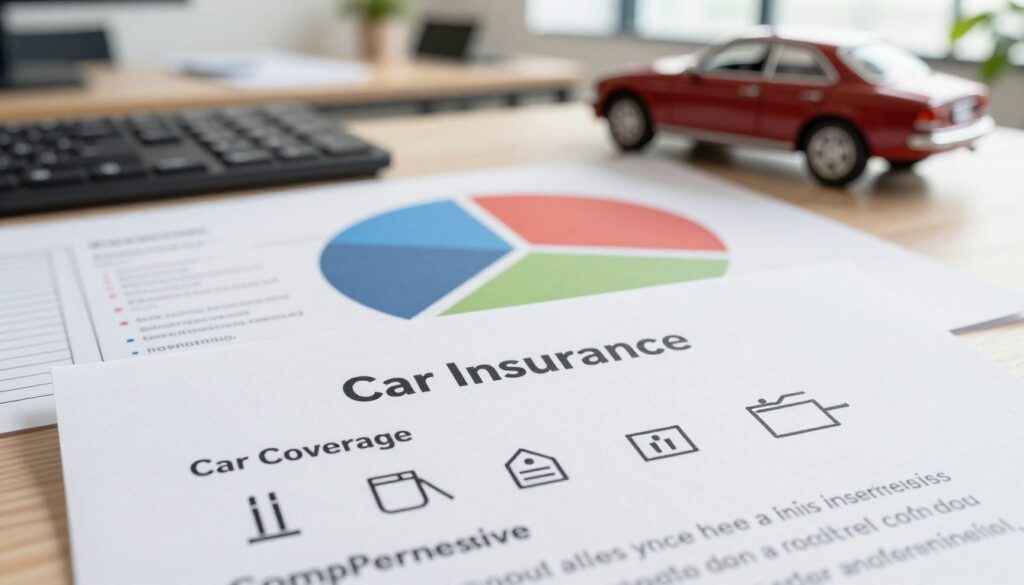
Full coverage, on the other hand, includes collision and comp insurance along with liability. It costs more but protects your car better. We suggest comparing rates to find competitive car insurance rates that balance cost and security.
| Coverage Type | Protects Others | Protects Your Car | Cost Level |
|---|---|---|---|
| Liability Only | Yes | No | Low |
| Full Coverage | Yes | Yes | Higher |
| Comprehensive | No | Yes | Moderate |
The Role of Deductibles in Car Insurance
Understanding deductibles is key to managing car insurance costs. A deductible is the amount you pay first when you have a claim. Then, your insurance kicks in to cover the rest.
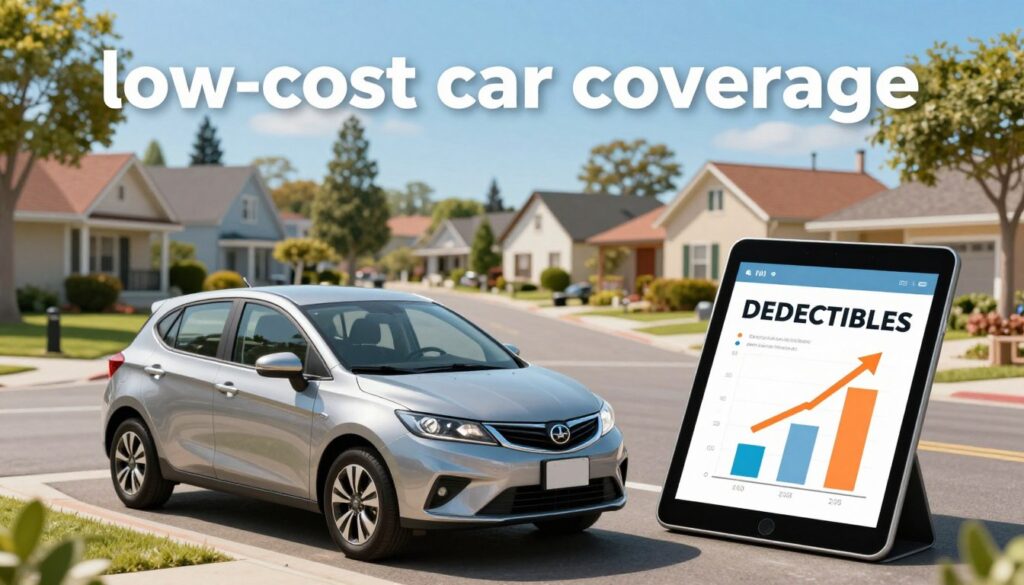
What Is a Deductible?
When you file a claim, your deductible is subtracted from the total cost. For instance, if your deductible is $500 and repairs cost $2,000, you pay $500. The insurer then covers $1,500. You can learn more at car insurance deductible resources.
Choosing a higher deductible can lower your monthly premium. This is because you’re showing you’re a lower risk to the insurer.
Choosing the Right Deductible for You
Finding the right deductible balance is important for your finances. You want competitive car insurance rates that won’t leave you in a bind. Consider these points:
- Emergency Savings: Make sure you have enough savings for your deductible.
- Driving Frequency: If you drive a lot, a lower deductible might give you more peace of mind.
- Vehicle Value: For older cars, a higher deductible might save you money in the long run.
The goal is to pick a deductible you can afford without hurting your budget. Review your finances every year to make sure your deductible fits your current situation.
Common Myths About Cheap Car Insurance
Looking for protection can lead to misconceptions about what your policy covers. Many drivers think all policies are the same, but this is not true. It’s important to look closely to make sure you’re not missing out on essential security for a lower price.

Misconceptions About Full Coverage
Many believe full coverage means the same thing everywhere. But, “full coverage” is more of a marketing term than a clear definition. Your policy might not include important things like uninsured motorist protection or enough liability limits.
If you’re looking for a budget car rental, you might think the same about car insurance. But, cheap car insurance often has big gaps in coverage. Always check the details to make sure your policy really protects you in big accidents.
The Truth Behind High Premiums
Some think high premiums just mean companies want more money. But, higher premiums often mean better support and better claims processing. When looking at cheap car insurance quotes, think about the company’s financial health and reputation.
Choosing the cheapest policy can lead to big surprises later. We suggest picking a company that balances price with reliable service. Remember, the real value of your policy shows when you need to make a claim, so choose your coverage wisely.
State Regulations and Insurance Requirements
Every state in the U.S. has its own rules for the minimum insurance coverage you must carry. These laws help ensure drivers can pay for damages if they’re in an accident. The cost of your policy can change a lot based on where you live. To find budget-friendly vehicle insurance, it’s important to know what your state requires and what you might need for extra peace of mind.
Minimum Coverage Requirements by State
Most states require drivers to have a basic level of liability insurance. This usually includes coverage for injuries and property damage to others. While these minimums keep you legal, they might not fully protect you or your vehicle. If you’re looking for inexpensive car insurance coverage, check your state’s specific limits before choosing a plan.
- Bodily Injury Liability: Covers medical costs for others if you cause an accident.
- Property Damage Liability: Pays for repairs to another person’s vehicle or property.
- Uninsured Motorist Coverage: Required in some states to protect you from drivers without insurance.
Additional Coverage Options to Consider
Just having the state-mandated minimum might not be enough to avoid big costs after a serious crash. Think about your financial situation to see if you need more protection. Adding coverage for accidents or damage not caused by you can be a good choice, even if you’re looking for budget-friendly vehicle insurance.
Here are some common add-ons to consider:
- Collision Coverage: Pays for repairs to your car, no matter who’s at fault.
- Comprehensive Coverage: Covers damage from theft, fire, or weather.
- Personal Injury Protection (PIP): Covers your medical bills and lost wages after an accident.
By matching state rules with your own risk level, you can find inexpensive car insurance coverage that really protects you. Always check your policy every year to make sure it fits your current needs and local laws.
The Benefits of Using an Insurance Broker
Insurance brokers are your personal advocates in the complex world of finance. They don’t work for just one company. Instead, they look out for your best interests to find the right protection.
They have the knowledge to navigate through many policy options. This makes finding the right coverage easier for you.
What an Insurance Broker Can Do for You
One big plus of working with a broker is their access to many insurance companies. They can compare rates to find budget-friendly vehicle insurance that suits your budget. They save you time by doing the research for you.
Brokers also give you personalized advice based on your driving habits and car type. They make sure you get inexpensive car insurance coverage without sacrificing important protection. Their knowledge helps you avoid common mistakes and find discounts you might miss.
Finding the Right Broker in Your Area
Start by looking for local agents who know the laws in your state. Check their credentials on state insurance department websites or through professional associations. Local expertise is key because they know which local carriers offer the best rates.
It’s a good idea to have a quick meeting to talk about what you need. A good broker will listen to your goals and explain your policy in easy terms. By choosing the right broker, you get a partner who will help keep your budget-friendly vehicle insurance affordable and reliable.
Evaluating the Financial Stability of Insurance Companies
Finding a low premium is key, but the insurer’s financial health is more important. Many drivers focus on budget-friendly vehicle insurance but forget about the company’s claim-paying ability. A good policy needs a strong backer.
Look beyond the initial quote to check if your insurer can support you when needed. Choosing a stable provider is key to keeping inexpensive car insurance coverage long-term.
How to Check an Insurance Company’s Ratings
Check an insurer’s strength by looking at independent financial assessments. Agencies like AM Best, Standard & Poor’s, and Moody’s give detailed reports. Visit insurance company ratings to see how they compare.
These agencies look at cash flow, debt, and claim payouts to give a grade. A high grade means the company can handle big disasters or economic downturns. Always choose carriers with strong financials.
The Importance of Choosing a Reliable Provider
Choosing a reliable provider means your inexpensive car insurance coverage works when you need it. If a company is not financially stable, they might not pay claims or support you well. You want to know your insurer will keep their promises.
Doing research now saves you trouble later. By finding a balance between cost and strength, you get budget-friendly vehicle insurance that really protects you. Use the table below to see how rating agencies view your insurance options.
| Rating Agency | Primary Focus | Reliability Indicator |
|---|---|---|
| AM Best | Insurance Industry Solvency | Claims-Paying Ability |
| Standard & Poor’s | Financial Strength | Creditworthiness |
| Moody’s | Risk Assessment | Default Probability |
Frequently Asked Questions About Cheap Car Insurance
Getting affordable car insurance means keeping an eye on your driving and policy. We aim to help you manage your coverage well over time.
Strategies for Sustaining Affordable Premiums
Driving safely is key to low costs. Check your policy each year for discounts from companies like GEICO or State Farm.
Telling your insurer about life changes can lower your rates. This includes moving to a safer area or adding anti-theft devices. Staying alert helps you keep your insurance affordable without losing coverage.
Managing the Aftermath of a Collision
Accidents are stressful, but being organized helps your finances. Take photos of the scene and get contact info from others involved right away.
Call your insurance provider quickly after an accident. Give them all the correct details to speed up the claims process. Keep your policy documents handy for quick action when accidents happen.
FAQ
How can I maintain low rates over the long term?
To keep our rates low, we need to drive safely and avoid gaps in coverage. We should also ask our providers about discounts regularly. This helps us stay protected without breaking the bank.
What should I do immediately after a car accident?
First, make sure everyone is safe and call the police. Then, take photos and exchange info with others. Notify our insurance, like State Farm, right away to start the claims process.
Can I get cheap car insurance quotes if I have a poor credit score?
Yes, even with a poor credit score, we can find affordable insurance by shopping around. Some insurers focus more on driving history than credit. This helps us find good rates despite a lower credit score.
Is the cheapest policy always the best option for me?
Not always. While we want to save money, the cheapest policy might have high deductibles or low coverage limits. We need to weigh the savings against the costs to ensure we have good protection.
How does my choice of vehicle, like a Subaru Forester, affect my premiums?
Safe and reliable cars, like the Subaru Forester, are often cheaper to insure. They perform well in crash tests and are less expensive to repair. This makes them a good choice for lower premiums.

I’m Moheen Iftikhar, founder of «CarRocketi». Driven by a passion for automotive innovation, I share insights on car trends, advanced technology, driving tips, and expert reviews to keep enthusiasts informed, inspired, and ahead of the curve.