


Your Guide to Buying a Car at a Car Lot in the USA
Buying a new car can be a big deal. It’s not just about finding the right pre-owned vehicles. It takes patience, research, and a solid plan. Whether you’re new to buying cars or have done it before, we aim to make it easier for you.
Understanding the market is key to getting the car you want. It’s important to know how to buy used cars to protect your money. When you go to a car lot, having a plan helps you avoid trouble and stress.
Knowledge is your best friend when negotiating. By being prepared, you can get a good deal on a reliable car. Let’s go over the steps to make your car buying experience successful and satisfying.
Key Takeaways
- Set a clear budget that includes insurance and maintenance costs before you start.
- Get financing or pre-approval to have more power in negotiations.
- Use online tools to find out the car’s true value.
- Always ask for a vehicle history report to spot any hidden issues.
- Do a thorough test drive to make sure the car fits your needs.
Understanding the Car Lot Experience
When we step into a car lot, we enter a world of quick deals and detailed service. Preparation is our greatest asset in this fast-paced setting.
What to Expect When Visiting a Car Lot
Right when we arrive, sales pros will be ready to help. It’s key to stay focused on what we need and be polite. Dealers must show a Buyers Guide in every used car, telling us if it’s sold “as is” or comes with a warranty.
“The bitterness of poor quality remains long after the sweetness of low price is forgotten.”
Types of Car Lots: New vs. Used
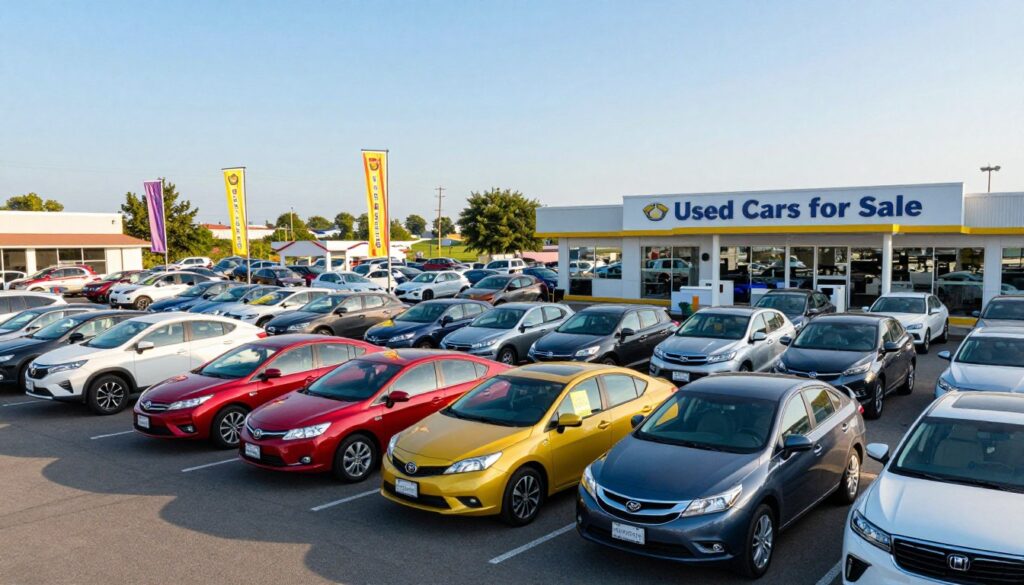
Dealerships vary a lot, depending on what they sell. New-car dealers have the latest models with factory warranties. Used-car lots, on the other hand, offer a wide range of cars, perfect for those looking for variety.
The quality and history of the cars differ between new and used lots. By checking the car inventory at each place, we can match our expectations with what’s available.
Choosing the Right Time to Buy
When we visit can affect how flexible the dealer is. Sales teams often have quotas to meet, making the end of their periods a good time to negotiate. Visiting a car lot mid-week can also be quieter, giving us more time to look at cars without rush.
Preparing to Buy a Car
Buying a car starts long before we visit the lot. A careful approach helps us avoid making hasty decisions that could harm our finances. Being well-prepared lets us confidently and clearly navigate a car lot.

Assessing Our Budget
Looking at just the sticker price isn’t enough. We need to consider all costs, like monthly payments, insurance, and registration. It’s also wise to save for ongoing maintenance and any unexpected repairs.
| Expense Category | Estimated Monthly Cost | Priority Level |
|---|---|---|
| Loan Payment | $300 – $600 | High |
| Insurance | $100 – $200 | High |
| Maintenance/Fuel | $150 – $250 | Medium |
| Registration/Taxes | $30 – $50 | Low |
Researching Vehicle Options
Before choosing a model, we should do our homework. We should look at safety ratings, fuel efficiency, and reliability. Checking the repair history and mileage of models is also key to avoiding future problems.
Using online databases helps us compare different cars from home. This research helps us focus on what we really need, not just fancy features. Knowing what we want protects us from high-pressure sales.
Understanding Financing and Loans
Getting our financing sorted out before visiting the dealer can save us a lot. We should compare rates from banks, credit unions, and online lenders. When looking for a car lot near me, checking the business’s reputation is important.
Transparency is key when discussing loans with dealers. Always check the fine print for hidden fees or bad terms. Taking these steps helps us make a purchase that fits our financial plans.
The Importance of Research
Smart buyers know that the key to a great deal is in the preparation. By spending time to gather information, we can make smart financial choices. This way, we avoid common mistakes and get the most value for our money.
Exploring options at a car city gives us a wider view of the market. By comparing prices, we quickly find fair values. Consistency in pricing shows a seller’s trustworthiness, while big price differences need more checking.
Comparing Prices at Different Car Lots
We shouldn’t accept the first price we see. Instead, we should make a spreadsheet to compare prices at different places. This shows which sellers offer good deals and which might be too expensive.
Transparency is key when looking at prices. If a price seems too low, it might have hidden costs. We need to watch out for extra fees that can raise the price more than we expected.
Reading Reviews and Ratings
Before visiting a place, we should check their online reputation. Searching for the business name with terms like “scam,” “review,” or “complaint” can tell us a lot. This helps us avoid problems later on.
We focus on feedback from people who have bought from them. Patterns in reviews, whether good or bad, show us about the customer service standards of a dealership. We want to work with sellers who are honest and communicate well.
Utilizing Online Resources
Today’s technology lets us easily look at a wide range of cars online. We can filter by make, model, mileage, and price to find our favorites. This online research helps us use our time wisely when we visit the dealership.
Using these online tools, we stay in control of our car-buying journey. We check if specific cars are available before we go, making our search more effective. In the end, good research is the key to a smooth and successful car purchase.
Inspecting Vehicles Carefully
A beautiful exterior can hide big mechanical problems. When we visit a vehicle lot, we must look beyond the shiny paint. This ensures we’re making a good investment. A physical check is key when buying a used car.

What to Look for in a Used Car
Start by walking around the car to check for uneven body panels or mismatched paint. These signs might mean past accidents. Also, check the tires for uneven tread wear, which could mean alignment or suspension issues.
Under the hood, look for signs of leaks, corroded battery terminals, or worn belts. These could need immediate attention.
Even if a used car dealership says the vehicle is certified, don’t skip a professional evaluation. An independent mechanic’s pre-purchase inspection gives an unbiased report. This small cost can save thousands in future repairs.
Understanding Vehicle History Reports
Vehicle history reports are helpful but not a full inspection. They track title issues, major accidents, and flood damage. But they often miss mechanical problems. A car might look good on paper but have serious mechanical issues.
Use these reports to start gathering information about the car’s past. But, trust your own observations and a mechanic’s expertise to know if the car is good to go. Combining these approaches gives you a complete picture before buying at the vehicle lot.
| Inspection Area | What to Check | Potential Red Flag |
|---|---|---|
| Exterior Body | Panel gaps and paint | Mismatched colors or rust |
| Tires | Tread depth and wear | Uneven or bald spots |
| Engine Bay | Fluid levels and hoses | Visible leaks or smoke |
| Interior | Electronics and upholstery | Musty odors or warning lights |
The Test Drive: A Crucial Step
A test drive is key when buying a car. It lets us see how the car performs, feels, and handles. Skipping this step can lead to regret.
Tips for an Effective Test Drive
Plan your test drive to match your daily route. Include highway driving, sharp turns, and slow maneuvers. This helps us see how the car handles.
Bring a friend or family member for a second opinion. They can spot things we might miss. Also, test drive several cars to compare them.
Questions to Ask During the Test Drive
When at a car lot near me, ask the salesperson important questions. This can reveal hidden problems. Ask about the car’s maintenance and any mechanical issues.
Here are some questions to ask:
- Has this vehicle been in any big accidents?
- Can we see the service records?
- Does the engine or transmission make odd noises?
- Are all the car’s electronics working right?
By paying attention and asking the right questions, we can make a smart choice. A good test drive ensures the car fits our life and needs.
Negotiating the Best Price
When we visit a vehicle lot, the sticker price is just the start. The used car market is different from new cars, with more room for negotiation. Knowing how auto sales work helps us negotiate better.
Strategies for Successful Negotiation
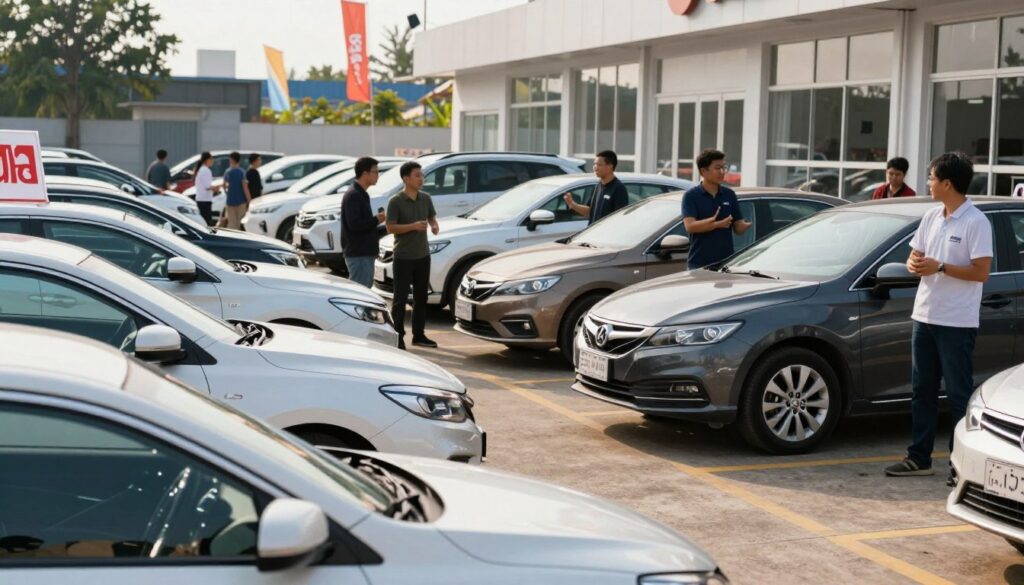
Being prepared is key to negotiating well. We should know the car’s fair market value before we go. Online tools can give us a starting point, but we need to discuss more.
We should talk about the total cost, including taxes and fees. If we have a car to trade, services like we buy any car can help. Focusing on the total price helps us keep our finances in check.
Knowing When to Walk Away
Being ready to leave is our strongest tool. If the deal doesn’t fit our budget, it’s okay to walk away. Unfair prices or lack of transparency means we should prioritize our financial health.
Good auto sales are based on respect and clear communication. If the deal isn’t right, there are other options. Keeping our budget safe is more important than making a deal.
| Negotiation Tactic | Primary Benefit | Risk Level |
|---|---|---|
| Market Research | Establishes fair baseline | Low |
| Out-the-Door Focus | Prevents hidden fees | Medium |
| Walking Away | Protects financial health | High |
The Role of Warranties and Service Contracts
When buying a car, we often face a choice between standard coverage and extended plans. It’s important to know what’s included and what’s extra. This helps us avoid extra costs and keep our car safe.

Understanding Warranty Options
A new car usually comes with a warranty from the maker. This warranty covers defects for a certain time or miles. It’s key to read the details to know what’s covered and for how long.
Used cars might have a limited dealer warranty too. Always check how long and what it covers before buying. Knowing the difference between full and partial warranties helps us understand our risks better.
Evaluating the Value of Service Contracts
Service contracts promise to fix or pay for repairs after the warranty ends. They offer peace of mind but must be worth the cost. Never rush into buying without knowing all the details.
“An investment in knowledge pays the best interest.”
Before buying a service contract, think about a few things. This ensures it’s a good deal for your wallet:
- See if the contract covers what the maker’s warranty does.
- Find out if repairs must be done at a specific auto sales place.
- Look at the deductible and any repairs not covered.
- Think about the car’s reliability to see if the contract is worth it.
Being careful in the final stages of buying is key. By carefully looking at these contracts, we protect our money and enjoy our car more.
Finalizing the Purchase
Finalizing the purchase is the most critical step in our car-buying journey. After agreeing on a price, we move into the administrative phase. This ensures our ownership rights are protected and all financial obligations are clear.

The Importance of a Bill of Sale
A bill of sale confirms the transfer of ownership. It must include the vehicle’s identification number, the final price, and both parties’ signatures. Remember, federal law does not require a three-day cooling-off period for vehicle purchases. Once we sign, the deal is legally binding. So, it’s important to know if can you back out of buying a car after signing.
Reviewing Financing Terms Carefully
Before signing, we must review every detail in the car showroom. We should compare the interest rates, loan duration, and total costs to our budget. If we’re at a car lot near me, ensure any verbal promises are written in the agreement. Never assume a spoken agreement is legally binding if it’s not in the contract.
To keep our documents in order, use this checklist for the final signing process.
| Document Type | Purpose | Action Required |
|---|---|---|
| Bill of Sale | Proof of ownership | Verify VIN and price |
| Loan Agreement | Financing terms | Check interest rates |
| Warranty Contract | Coverage details | Confirm inclusions |
| Title Application | State registration | Verify personal info |
Taking Delivery of Our New Vehicle
Our journey at the car showroom ends with a final check. This step is key to our peace of mind. We must focus on the details to make sure everything is just right.
This final walk-through is our last chance to check if the car meets our expectations. It’s the moment we officially take ownership.
Final Checks Before Taking Ownership
Before we sign and drive off, we do a detailed car check. We look for any scratches, dents, or paint issues. It’s also important to check for any missing accessories, like floor mats or spare tires.
Next, we check the car’s interior. We make sure it looks the same as during our test drive. We also test the electronics, lights, and climate control. This prevents any surprises when we get home.
If we find any problems, we need to talk to the car showroom staff right away.
Understanding Key Features and Functions
Modern cars come with lots of tech that can be confusing. We ask the sales rep to show us how to use it all. Learning these systems now makes our first drive safer and more fun.
Here’s a list of things to check during our final delivery. It helps us make a smooth transition.
| Category | Action Item | Priority |
|---|---|---|
| Exterior | Check for paint chips or body damage | High |
| Interior | Verify upholstery and electronics | Medium |
| Technology | Sync phone and test infotainment | High |
| Documentation | Confirm all keys and manuals are present | High |
By following these steps, we know our car is ready for the road. A careful approach at the car showroom means our ownership experience starts well.
Post-Purchase Considerations
After buying our car, we need to think about long-term care and legal stuff. Owning pre-owned vehicles means we must stay alert to keep everyone safe. Keeping things organized helps us avoid headaches.
Maintaining Our Vehicle
Keeping up with maintenance is key to our car’s value. We should check the owner’s manual for service times. Regular oil changes, tire rotations, and brake checks help avoid big repair bills.
We also need to plan for daily costs like fuel and cleaning. This keeps our money in check. Remember, a little care now saves a lot later.
“An ounce of prevention is worth a pound of cure.”
Setting Up Insurance and Registration
Before we hit the road, we must sort out insurance and registration. Getting good insurance is our first step to stay safe. We should shop around to find the best deal.
Then, we need to register our car fast to avoid fines. Many states need an inspection before they give you plates. Keeping all papers safe and easy to find is smart.
| Expense Category | Frequency | Importance |
|---|---|---|
| Insurance Premiums | Monthly/Bi-annually | High (Legal) |
| Routine Maintenance | Every 5k-7k miles | High (Safety) |
| Registration Fees | Annually | High (Legal) |
Additional Resources for New Car Buyers
Finding the right pre-owned vehicle can be tough. We need good data and a strong support system. Digital tools make navigating today’s car market easier.
Digital Tools and Mobile Applications
Kelley Blue Book and Edmunds give us the pricing info we need. Mobile apps help us keep up with car care and fuel use. These tools keep us on track with our car’s needs.
Community Forums and Consumer Advocacy
Online forums let us share tips and solve car problems together. Checking out ftc.gov/cars is also smart. It’s where we learn about our rights and car ownership duties. Connecting with others helps us feel sure about our car choices and enjoy owning our vehicles.
FAQ
What legal protections should we look for when visiting a car lot?
When visiting a car lot, make sure every vehicle has a Buyers Guide. This guide tells us if the car is sold “as is” or with a warranty. Knowing this guide is key to protecting ourselves at any used car dealership.
How can we find a reputable car lot near me?
Look for reviews on Google, Yelp, and the Better Business Bureau. These sites help us find trustworthy auto sales professionals. This way, we can focus on dealers with good reputations.
Should we trust a used car dealership that provides its own vehicle history reports?
Reports from CARFAX or AutoCheck are helpful but not perfect. They help us narrow down our choices. But, we must also get a mechanic’s inspection to find hidden issues.
What are the essential steps for inspecting a vehicle lot?
Check for uneven tire tread, fluid leaks, and body repair signs. Ask for service records in the showroom. This ensures the cars have been well-maintained.
How do we prepare for a successful negotiation at an auto sales location?
Start with research. Use Kelley Blue Book or Edmunds to find the car’s value. When negotiating, focus on the total price, not just the monthly payment. This keeps us within budget.
Is it necessary to test drive a vehicle if it looks perfect in the car showroom?
Yes, a test drive is essential. It lets us see how the car performs in real life. Pay attention to the brakes, steering, and engine sounds.
What should we verify before signing the final paperwork at a car lot?
Read the contract carefully. Make sure the financing terms, interest rates, and fees match what was discussed. Any verbal promises must be in the final bill of sale.
How do we choose between an extended service contract and a standard warranty?
Consider the cost and benefits. Check if the contract requires specific repairs or if any mechanic can do them. Also, see if it covers what the manufacturer’s warranty already does.
What are our responsibilities after taking delivery of a vehicle from a car lot near me?
After leaving the lot, get auto insurance and register the car with the DMV. Regular maintenance keeps the car running well and increases its value.
Where can we find additional support for our car inventory research?
Use Consumer Reports for reliability ratings and government sites for consumer protection. These resources help us make informed choices at any car showroom.

I’m Moheen Iftikhar, founder of «CarRocketi». Driven by a passion for automotive innovation, I share insights on car trends, advanced technology, driving tips, and expert reviews to keep enthusiasts informed, inspired, and ahead of the curve.