

Electric Car Benefits and Buying Tips for US Drivers
The way we travel is changing fast in the United States. More families are thinking about getting an electric car to save money on gas.
It’s key to know the main electric car benefits if you’re looking to buy one. They not only save you money but also make less noise and need less upkeep than gas cars.
But, finding the right electric car can be tricky. You need to look at federal tax credits and local incentives to get the best deal. If you need help picking the right car, contact our team for advice.
Planning carefully is the best way to make a smooth switch. We’re here to guide you through the financial aspects and help you choose the best car for your family.
Key Takeaways
- Lower fuel costs provide significant long-term financial relief for owners.
- Maintenance requirements are generally lower due to fewer moving parts.
- Federal tax credits remain a vital factor in reducing the initial purchase price.
- Regional programs often offer additional rebates that vary by state.
- Careful research ensures you select a vehicle that fits your daily driving habits.
Understanding Electric Cars
Learning about today’s vehicles is key to making a smart choice. The electric car is now a big deal in the car world. To learn more about us, check out our about us page.
What is an Electric Car?
An electric car uses electric motors to move. It doesn’t have a traditional engine. Instead, it gets power from batteries that you can recharge.
This makes electric cars special. They start moving fast and are very quiet. They also don’t pollute like gas cars do.
Electric cars are a greener choice. They don’t have emissions because they run on electricity. People in the U.S. are choosing them to help the planet and save money.
Types of Electric Vehicles: BEVs, PHEVs, and HEVs
Not all electric cars are the same. Knowing the differences helps you pick the best one for you. Here’s a quick guide to help you decide.
| Vehicle Type | Power Source | Charging Method |
|---|---|---|
| BEV (Battery Electric Vehicle) | Battery Only | Plug-in Only |
| PHEV (Plug-in Hybrid) | Battery & Gas | Plug-in & Gas |
| HEV (Hybrid Electric Vehicle) | Battery & Gas | Self-Charging |
BEVs need a charging station to run. PHEVs can use both electric and gas power for longer trips. HEVs use a battery to help the engine, making them more fuel-efficient.
Environmental Benefits of Electric Cars
We are in a new era where sustainable transportation is becoming common for American drivers. Switching from traditional fuels can greatly reduce our carbon footprint. This change is key to achieving climate goals in the U.S.
Reduced Carbon Emissions
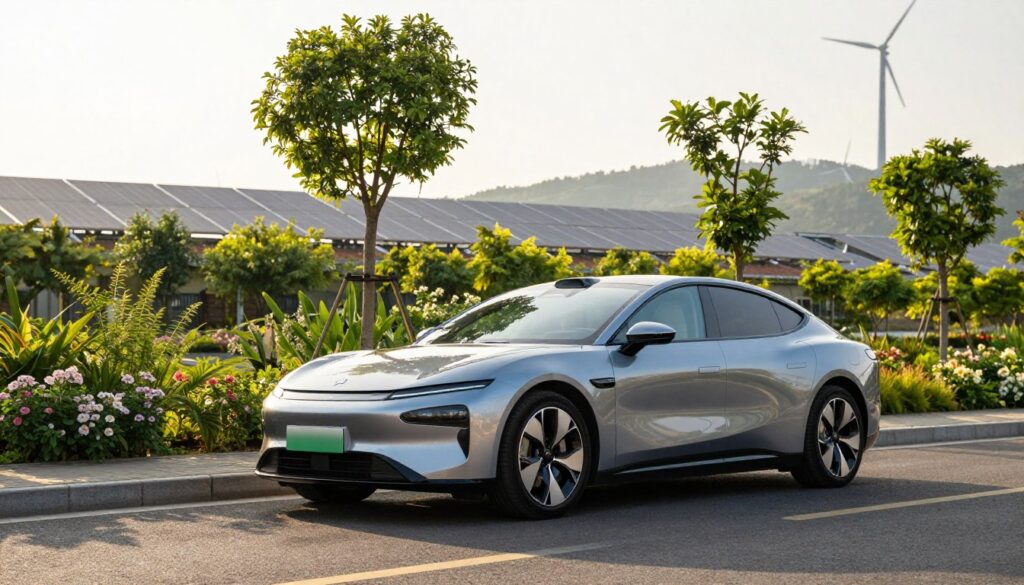
Choosing an electric vehicle is a big step toward cutting down greenhouse gas emissions. Unlike gas cars, electric vehicles don’t have tailpipe emissions. This helps cities aim for net-zero climate targets.
Gas engines burn fossil fuels, releasing lots of carbon dioxide. By picking a zero emissions vehicle, we help the climate. This choice is important for our planet’s future.
Lower Pollution Levels
Electric cars also make our cities cleaner. Gas vehicles emit pollutants like nitrogen oxides and particulate matter. These harm our health. Choosing sustainable transportation options improves our community’s quality of life.
The table below shows how electric cars differ from gas engines:
| Impact Factor | Internal Combustion Engine | Electric Vehicle |
|---|---|---|
| Tailpipe Emissions | High (CO2, NOx) | Zero |
| Energy Source | Fossil Fuels | Electric Grid/Renewables |
| Public Health Risk | Significant | Minimal |
| Climate Contribution | High Carbon Footprint | Low Carbon Footprint |
By choosing electric car technology, we support a cleaner future. Each zero emissions vehicle brings us closer to a world with less pollution. We think this shift is the best way to protect our environment.
Economic Advantages of Electric Vehicles
Looking at the lifetime costs of a car, electric vehicles (EVs) offer clear benefits. They might cost more upfront, but they save money in the long run. This is thanks to lower running costs and government support, making them cheaper than gas cars over time.
Fuel Savings Over Time
One big plus of EVs is how much they save on fuel. Electricity is cheaper than gas, and charging at home is even more affordable. Over the years, these savings add up to thousands of dollars.
EVs also need less maintenance. They have fewer parts, like no oil changes or spark plug replacements. This means owners spend less on upkeep, saving money over several years.
Government Incentives and Tax Credits
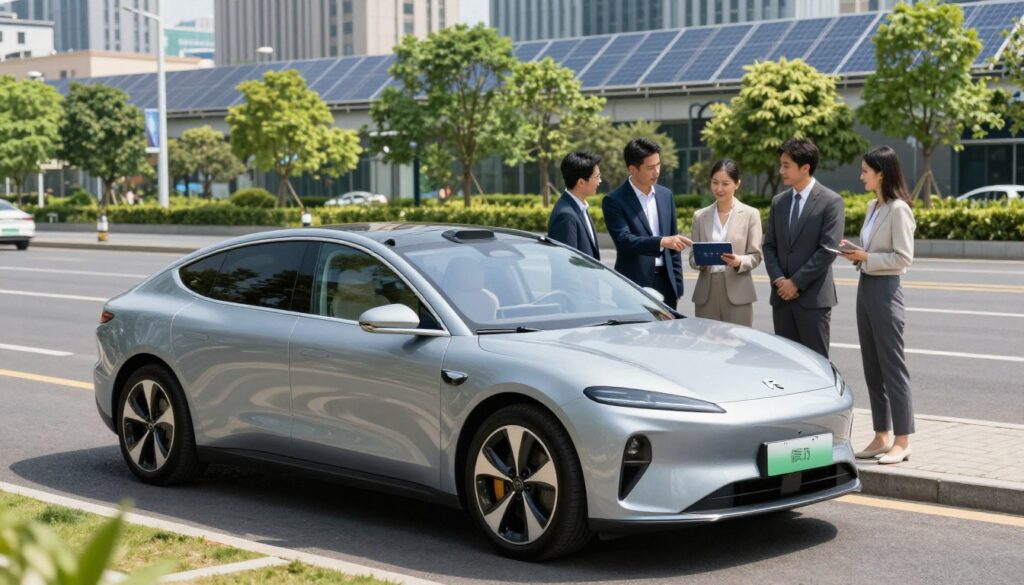
Understanding incentives can be tricky, but it’s key to saving money. Federal credits have changed, but states offer rebates that help. It’s important to look into local utility rebates for home charging too.
Many areas also have programs for low-income families to buy EVs. These programs, along with tax credits, can make EVs more affordable. By using these resources, the initial cost of an EV can be greatly reduced.
Key Features of Electric Cars
When we look at buying a car, we need to see more than just how it looks. We must understand the technology inside. Choosing the right electric car means knowing about battery chemistry and how it keeps cool. These things affect how far you can go and how well the car holds its value.
Range and Battery Life
The battery pack is the heart of any electric car. Most use lithium-ion batteries, which are powerful and last a long time. To keep these batteries working well, cars have special systems to control their temperature.
To keep your battery in top shape, follow these tips:
- Avoid letting the battery get too low, below 20%.
- Don’t leave it in very hot places for too long.
- Use the car’s charging schedule to keep the battery charged right.
- Update the car’s software as recommended to save energy.
Charging Options and Infrastructure
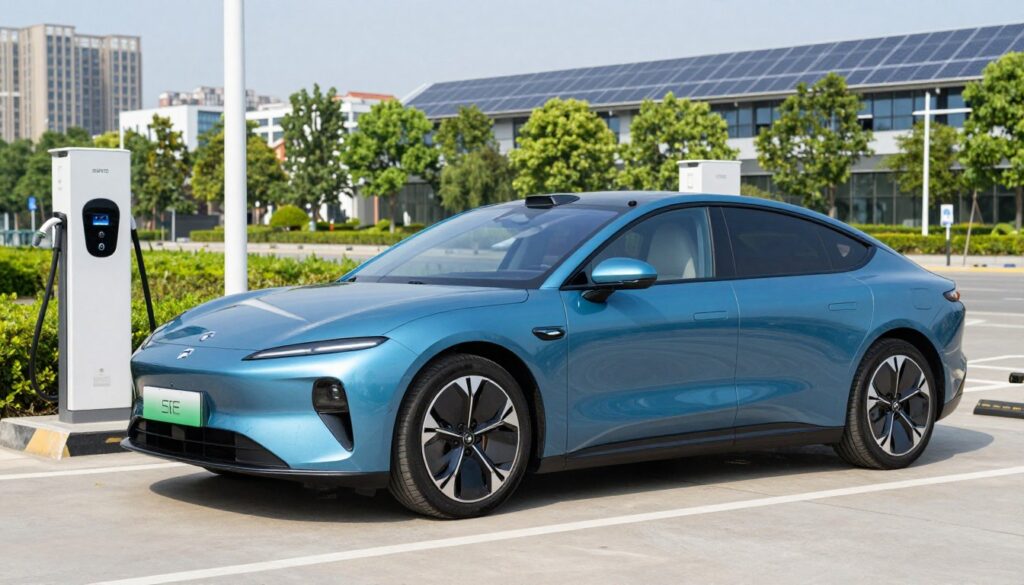
Having reliable electric car charging is key to enjoying your car. With more public charging stations popping up, you have more options than ever. Knowing how to use different charging levels helps plan your trips better.
Here’s a quick guide to charging your car:
| Charging Level | Typical Power Source | Best Use Case |
|---|---|---|
| Level 1 | Standard 120V Outlet | Overnight trickle charging |
| Level 2 | 240V Home/Public Station | Daily home or workplace use |
| DC Fast Charging | High-Voltage Public Hubs | Long-distance road trips |
Most people use a mix of home and public charging. Learning about electric car charging makes driving easier and more enjoyable. Taking the time to understand these features can make your driving experience better.
Buying Electric Cars: What to Consider
Choosing an EV should be a thoughtful process. It should match your driving habits and home needs. A careful approach helps avoid mistakes and ensures your car is a good investment. Before you decide, please read our legal guidelines about buying.

Evaluating Your Driving Needs
Start by looking at how far you drive each day. If you travel long distances often, look for cars with big batteries and fast charging. Knowing your daily drive helps choose between plug-in hybrids or full electric cars.
Having a place to charge at home is key. If you have a garage, a Level 2 charger can make charging easy. Check your home’s electrical setup before buying to make sure it can handle the charger.
Comparing Models and Brands
After knowing what you need, compare different electric car models. Look at their performance, cost, and features. Test drive a few to find the one that feels right for you.
Here’s a table to help you decide what’s important:
| Feature | City Commuter | Long-Distance Traveler | Family SUV |
|---|---|---|---|
| Range | Moderate | High | High |
| Charging Speed | Standard | Ultra-Fast | Fast |
| Cargo Space | Compact | Medium | Large |
| Primary Use | Daily Errands | Highway Travel | Road Trips |
Focus on these points to find the right EV for you. The best electric car models fit your life and meet your needs.
Electric Car Models to Consider
Understanding the latest electric car models is key in today’s market. The industry has grown from a small niche to a wide range of options. These options cater to different budgets and lifestyles.
Looking for a small car or a big hauler? There’s an electric vehicle for you. Check out the best electric cars rankings to see the top choices.
Best-Selling Electric Vehicles in 2023
In 2023, some electric cars became very popular. They are known for their reliable range, advanced tech, and easy charging.
Most people choose well-known brands for their proven performance. These electric car models are at the top of sales because they make switching easy.
Emerging Brands and Innovative Models
New companies are bringing fresh designs and better batteries to the market. They focus on looks and tech to attract smart buyers.
Startups are changing the game with new features. As they grow, they give more options for those who want a unique electric vehicle.
| Vehicle Class | Primary Benefit | Market Focus |
|---|---|---|
| Sedan | Aerodynamic Efficiency | Commuting & Range |
| SUV | Cargo & Versatility | Family Transportation |
| Truck | Towing & Power | Utility & Work |
Charging Your Electric Car
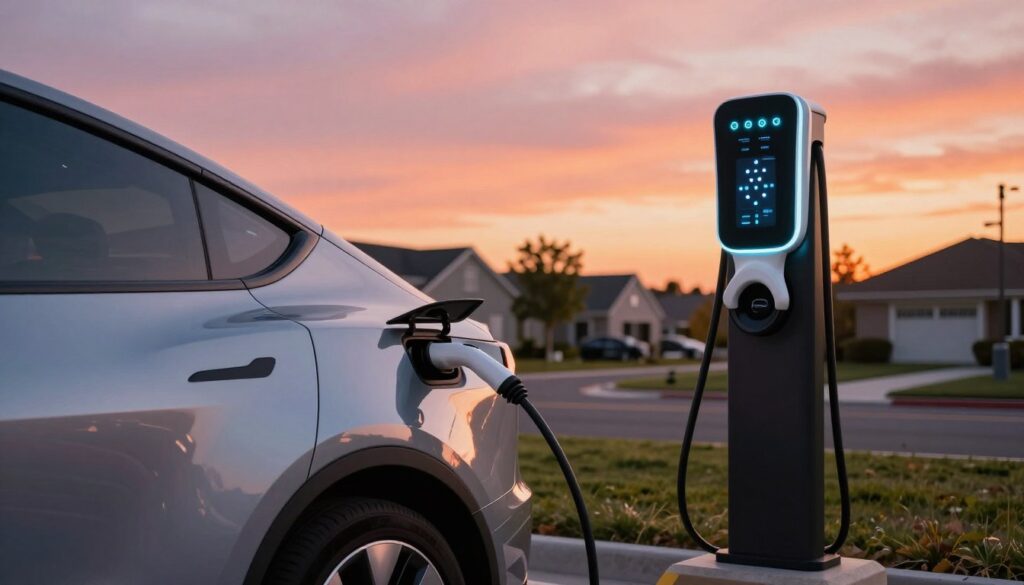
Learning about electric car charging makes traveling easy. Most owners quickly get into a routine to keep their battery charged. This ensures your car is always ready for your next trip.
Home Charging Setups
Having a charger at home is the most convenient option. A standard outlet charges slowly, but a Level 2 station is faster. Many utilities offer financial rebates for these upgrades, making them affordable.
For more information, check out a guide to charging an electric car. A professional can install it safely and efficiently. This way, you wake up to a full battery every morning.
Public Charging Networks and Apps
Public networks are key for long trips. Download apps to find stations and check availability. These apps help plan your route, so you never run out of charge.
- Use apps to filter by connector type and charging speed.
- Check user reviews to verify if a station is currently operational.
- Sign up for multiple network memberships to access more locations.
| Charging Type | Typical Location | Speed |
|---|---|---|
| Level 1 | Home | Slow (Overnight) |
| Level 2 | Home/Work | Moderate (4-8 hours) |
| DC Fast Charging | Highways | Rapid (20-60 mins) |
Using these resources makes long trips stress-free. Regular electric car charging becomes a smooth part of your life.
Maintenance and Ownership Costs
Many drivers are surprised by how little an electric car needs compared to traditional cars. These cars use batteries instead of engines, so they have fewer parts to service.
Understanding Maintenance Needs
Without an engine, you don’t need to worry about oil changes or spark plug replacements. There’s also no need for timing belt repairs. Plus, with fewer moving parts, there’s less chance of wear and tear.
But, owners must take care of a few important things to keep their car running well. Here are the key areas to focus on:
- Battery Health: Keep an eye on your battery’s charge to keep it working well for years.
- Tire Maintenance: Electric cars are heavier and have instant torque, which can wear out tires faster.
- Brake Fluid and Coolant: Even with regenerative braking, you should check brake fluid and coolant regularly.
Long-term Savings on Repairs
Driving an electric car saves money over time. By avoiding frequent service visits, you save a lot. Check out the true costs of ownership to see how much you can save.
“The simplicity of the electric drivetrain is its greatest financial strength, turning what was once a constant stream of repair bills into a predictable and manageable expense.”
The fewer times you need to take your car to the shop adds to its value. With less need for repairs, an electric car is a wise choice for your budget.
Overcoming Common Electric Car Myths
We often hear old myths about electric car technology that are not true today. Many people think of old information from the early days of electric cars. But, the truth is different now. Let’s look at the facts to help you choose a cleaner car.
Addressing Range Anxiety
Range anxiety is a big worry for some. But, new electric cars can go over 250 miles on one charge. For more info, check out our guide on 7 EV myths busted.
Charging stations are getting better and more common in the US. High-speed chargers are now easy to find on highways. You can plan your route with apps that show charging spots.
Clarifying Cost Misconceptions
Some think electric cars cost too much. But, they save money on fuel and repairs over time. Electric cars have fewer parts, so they need less fixing.
“The transition to electric mobility is not just an environmental choice; it is a smart financial decision for the modern driver who values efficiency and long-term reliability.”
We’ve made a table to show the truth behind these myths.
| Common Myth | Industry Reality | Impact on Driver |
|---|---|---|
| Limited driving range | 250-400+ miles per charge | Covers daily commutes easily |
| High maintenance costs | Minimal service required | Saves thousands over time |
| Battery replacement | Designed to last vehicle life | Low long-term ownership risk |
Knowing the truth about electric car technology helps you see beyond myths. Try driving one to feel its performance and reliability. The facts show that old worries are gone.
The Future of Electric Cars in the US
We are at a critical point in car history as electric cars become more popular. This move to electric is a big change in how we travel. It makes our energy use better and helps our economy grow.
Trends in Electric Vehicle Adoption
More people want electric cars because they are good for the planet. Companies are investing in better batteries, making electric cars cheaper. Increased competition among car makers is pushing for even better electric cars.
People are more interested in electric cars as charging spots get better. Soon, cars will talk to the power grid, using energy smarter. This teamwork between cars and the grid will help more people choose electric cars.
Government Policies Supporting EV Growth
Government actions are key to making electric cars more common. Tax breaks and grants for charging spots help a lot. These efforts make electric cars a good choice for many families.
Investing in making batteries here at home is also important. It creates jobs and helps us not rely so much on other countries for energy. Here’s what’s driving this big change.
| Growth Driver | Impact Level | Primary Benefit |
|---|---|---|
| Federal Tax Credits | High | Increased EV affordability |
| Infrastructure Grants | Medium | Expanded charging access |
| Battery Innovation | High | Improved range and efficiency |
| Grid Modernization | Medium | Enhanced energy security |
Getting the Most Out of Your Electric Vehicle
Make the most of your electric vehicle with simple daily changes. Driving an electric car means changing how you think to get the best range and efficiency. Every trip can be more efficient with the right mindset.
Smart Driving Techniques
Use regenerative braking to save energy when slowing down. This method can greatly extend your battery life. Be mindful of your climate control, as it uses power from the battery.
Essential Owner Resources
Keep up with the latest by using tools like the Department of Energy Alternative Fuels Data Center. Websites like PlugShare help find electric car charging stations. Joining forums for brands like Tesla or Rivian gives you real-world tips.
By adopting these habits, your daily drive becomes smoother. Explore these resources to keep your battery in top shape. Taking care of your electric car ensures it’s a reliable partner for years.
FAQ
What are the primary electric car benefits for American drivers today?
Electric cars offer big savings on fuel and maintenance costs over time. The Inflation Reduction Act tax credits have changed, but electric cars are better in many ways. They have instant torque and a quieter ride than gas cars.
What is the difference between a BEV, PHEV, and HEV?
Electric vehicles are classified by how electric they are. A Battery Electric Vehicle (BEV) like the Tesla Model 3 runs only on electricity. A Plug-in Hybrid Electric Vehicle (PHEV), such as the Toyota RAV4 Prime, uses both a battery and a gasoline engine. A Hybrid Electric Vehicle (HEV) uses an electric motor to help a gas engine but can’t be plugged in.
How does switching to a zero emissions vehicle help the environment?
Switching to a zero emissions vehicle greatly reduces our carbon footprint. It helps cities reach net-zero goals. This shift leads to cleaner air and better health in crowded areas.
Are there financial incentives available for an electric car?
Yes, many state-level rebates and utility programs are available. For example, California and Colorado offer extra money. When combined with lower fuel costs, owning an EV is cheaper than a gas car.
How long does an electric vehicle battery typically last?
Modern electric car technology is built to last. Brands like Rivian and Ford offer warranties of eight years or 100,000 miles. Advanced thermal management systems and battery chemistry ensure long battery life for daily use.
Which electric car models were the best-selling in 2023?
In 2023, the Tesla Model Y was the top choice for families. Other popular models include the Ford Mustang Mach-E, Chevrolet Bolt EV, and Hyundai IONIQ 5. They offer various price points and performance for different needs.
How do I set up electric car charging at home?
Installing a Level 2 home charger is recommended for convenience and cost savings. Overnight electric car charging uses lower rates. Many utilities offer rebates for charger purchases and installations, like the ChargePoint Home Flex.
What should I know about public electric car charging networks?
For long trips, we rely on networks like Electrify America and Tesla Supercharger. Mobile apps help find charging spots in real-time. This ensures your electric vehicle is always ready for the next leg.
Is the maintenance for an EV truly lower than a gas car?
Yes, EVs need less maintenance. They lack complex parts like transmissions and exhaust systems. EV maintenance mainly includes tire rotations, cabin air filters, and battery health checks, saving money over time.
How can I overcome range anxiety when driving an EV?
Modern EV models often go over 300 miles on a single charge. The National Electric Vehicle Infrastructure (NEVI) program is expanding, making it easier to find charging stations on the go.
What is the future of the electric vehicle market in the United States?
The future looks electric, driven by government policies and investments from brands like General Motors. This shift will make sustainable transportation the norm for all drivers in the next decade.
What are the best resources for new electric car owners?
Use PlugShare for charger locations and the Department of Energy’s Alternative Fuels Data Center for local incentives. Efficient driving habits, like regenerative braking, help get the most out of your vehicle.

I’m Moheen Iftikhar, founder of «CarRocketi». Driven by a passion for automotive innovation, I share insights on car trends, advanced technology, driving tips, and expert reviews to keep enthusiasts informed, inspired, and ahead of the curve.